How to Run a KDP Price Promotion and Maximize Ad ROI in 2026
Running a KDP price promotion is a strategic move for indie authors looking to boost visibility, attract new readers, and drive sales velocity. This tactic
How to Run a KDP Price Promotion and Maximize Ad ROI in 2026
Running a KDP price promotion is a strategic move for indie authors looking to boost visibility, attract new readers, and drive sales velocity. This tactic involves temporarily lowering your book's price, often to $0.99 or even free, to create a surge in downloads or purchases. For KDP authors, a well-executed price promotion, especially when supported by targeted Amazon Ads, can significantly increase a book's ranking, generate reviews, and ultimately improve long-term sales and ad return on investment (ROI).
Table of Contents
- Understanding the Power of KDP Price Promotions
- Strategic Planning: Before You Drop Your Price
- Optimizing Your Amazon Ads for Promotion Success
- Executing and Monitoring Your Price Promotion
- Post-Promotion Strategy: Sustaining Momentum
Understanding the Power of KDP Price Promotions
A KDP price promotion isn't just about selling more copies during a specific window; it's a powerful marketing lever that, when pulled correctly, can create a ripple effect across your entire author brand. For indie authors, the goal is often to use the temporary price drop to achieve a higher sales rank, which in turn leads to increased organic visibility on Amazon. This organic visibility can then be amplified by strategic Amazon Ads, creating a virtuous cycle of discovery and sales. The key is to understand how these promotions integrate with your overall advertising strategy to drive a positive return on investment.
The Strategic Value of Temporary Price Drops
Lowering your book's price, whether to $0.99 for a Kindle Countdown Deal or free for a KDP Select Free Promotion, serves multiple strategic purposes beyond just moving units. Firstly, it acts as a powerful incentive for new readers to take a chance on an unknown author. A low barrier to entry significantly reduces purchasing friction, especially for books in competitive genres. Secondly, a surge in downloads or sales, even at a reduced price, can dramatically improve your book's sales rank on Amazon. A higher rank means more visibility on category lists, "also boughts," and potentially even Amazon's curated recommendation engines. This increased visibility is invaluable for long-term organic discovery. Finally, promotions are excellent for generating reviews. More readers mean more potential reviews, and a healthy number of positive reviews is crucial for social proof and converting future sales.
How Price Promotions Impact Amazon's Algorithms
Amazon's algorithms are complex beasts, but one thing is clear: they love sales velocity. When your book experiences a sudden spike in sales or downloads due to a price promotion, Amazon takes notice. This velocity signals to the algorithm that your book is popular and relevant, leading to a temporary (and sometimes sustained) boost in its ranking. This boost isn't just about the main sales rank; it also influences category rankings, which can expose your book to a more targeted audience. The "also boughts" section, a critical discovery tool for readers, also gets updated based on recent purchasing patterns. If your promotional book is frequently bought alongside other popular titles, it increases the chances of it appearing on those books' product pages, driving further organic traffic. Understanding this algorithmic interplay is crucial for maximizing the long-term benefits of a short-term price drop.
Setting Realistic Goals for Your Promotion
Before you even think about changing your price, define what success looks like for this specific promotion. Are you aiming for a specific sales rank (e.g., top 100 in your subgenre)? Do you want to generate a minimum number of new reviews? Is the primary goal to drive readers into a series or grow your email list? For example, if you're promoting the first book in a series, your primary goal might not be immediate profit from that specific book, but rather to acquire new readers who will then buy subsequent books at full price. If it's a standalone, profit and review generation might be higher priorities. Setting clear, measurable goals will inform your advertising strategy, budget allocation, and post-promotion analysis. Without clear goals, it's impossible to accurately measure your ad ROI and determine if the promotion was truly successful.
Strategic Planning: Before You Drop Your Price
The success of any KDP price promotion hinges on meticulous planning. It's not enough to just lower the price and hope for the best; you need a robust strategy covering everything from your book's readiness to your promotional channels and advertising budget. This preparation phase is where you lay the groundwork for maximizing your ad ROI and ensuring your promotion achieves its intended goals.
Step 1 of 3: Preparing Your Book and Product Page
Before you announce a price drop, ensure your book is in peak condition to convert new readers. This means having a professionally designed cover that stands out in your genre and immediately communicates your book's tone and content. Your book description needs to be compelling, hooking readers with a strong opening, clearly outlining the stakes, and ending with a powerful call to action. Critically, ensure your book has a solid foundation of reviews – ideally at least 20-30, with an average rating of 4.0 stars or higher. Readers are far more likely to take a chance on a discounted book if they see social proof that others have enjoyed it. Finally, make sure your book's categories and keywords are optimized. During a promotion, you want Amazon to show your book to the most relevant audience possible, and accurate categorization is key to that.
Choosing the Right Promotion Type: Free vs. $0.99
KDP offers two primary types of price promotions: KDP Select Free Book Promotions and Kindle Countdown Deals (which allow for $0.99 price points). The choice depends on your goals.
- Free Promotions: Ideal for maximizing downloads and rapidly building an audience, especially for the first book in a series. They can generate a massive surge in visibility and help you climb the free charts, leading to significant organic downloads. However, free readers are not always paying readers, and conversion to subsequent paid books isn't guaranteed.
- $0.99 Countdown Deals: Better for generating actual sales and revenue, even if reduced. These deals often attract more engaged readers who are willing to spend a small amount, making them more likely to convert into full-price buyers later. They also count towards your paid sales rank, which is often more impactful for long-term organic visibility than free downloads.
Consider your genre as well. Some genres (e.g., romance, fantasy) respond exceptionally well to free first-in-series promotions, while others (e.g., non-fiction, literary fiction) might see better results with a $0.99 deal.
Budgeting and Ad Spend Allocation
Your advertising budget is a critical component of your promotion strategy. For a price promotion, you'll likely want to increase your ad spend significantly during the sale window to capitalize on the reduced price. A common strategy is to front-load your budget, spending more in the initial days of the promotion to gain momentum. For example, if you typically spend $10/day, you might increase it to $30-$50/day during the promotion.
Case Study: Mystery Author — Before/After
- Before Promotion: A mystery author with 5 books in a series was struggling to get readers past book 1. Their average daily ad spend was $15, with an ACOS of 70% for book 1. They had 30 reviews on book 1.
- Promotion Strategy: The author decided to run a 5-day KDP Select Free Promotion for book 1, followed by a 7-day $0.99 Kindle Countdown Deal. They allocated an additional $200 for Amazon Ads during the free period and $300 for the $0.99 period, focusing heavily on keyword and category targeting.
- During Free Promotion: Increased daily ad spend to $40. Book 1 received 8,000 free downloads, hitting #1 in its subcategory. Ad spend during this period was primarily focused on driving impressions and clicks, understanding that the ROI would come from subsequent book sales.
- During $0.99 Countdown Deal: Increased daily ad spend to $60. Book 1 sold 1,200 copies at $0.99, reaching top 50 in its paid subcategory. The ad campaigns during this period were optimized for conversions, with a target ACOS of 50-60%.
- After Promotion: In the month following the promotion, series sales (books 2-5) increased by 150%. The author gained 50 new email subscribers and book 1 received an additional 25 reviews. The overall ACOS for book 1's ads, when considering the revenue from subsequent books, dropped to an effective 35% over the following quarter. The author successfully used the promotion to funnel readers deeper into their series, proving that the initial ad spend on the promotional book was a worthwhile investment.
It's crucial to consider the lifetime value of a reader, especially if you write series. An ad campaign that appears to have a high ACOS on the promotional book might still be highly profitable if it leads to multiple full-price sales of subsequent books. Use a tool like BookAds AI to help automate bid adjustments and optimize your campaigns during these high-volume periods, ensuring your budget is spent efficiently.
📚 Recommended Resource: "Let's Get Digital" by David Gaughran This book is an essential guide for indie authors navigating the world of self-publishing, offering practical advice on marketing, pricing, and promotion strategies. 🛒 Buy on Amazon | 📖 Buy on Bookshop.org
Optimizing Your Amazon Ads for Promotion Success
Running a price promotion without simultaneously boosting your Amazon Ads is like throwing a party and not sending out invitations. Your ads are the engine that drives traffic to your discounted book, ensuring maximum exposure and capitalizing on the temporary price drop. This section will guide you through tailoring your ad campaigns to perfectly complement your KDP price promotion.
Tailoring Ad Campaigns for Promotional Pricing
When your book is priced at $0.99 or free, your advertising strategy needs to shift. The goal is to maximize impressions and clicks at a low cost, as the barrier to entry (price) is significantly reduced. This means you can often afford a higher volume of clicks, even if individual clicks are slightly more expensive than usual, because the conversion rate is likely to be much higher.
- Increased Bids: Consider temporarily increasing your bids on your existing campaigns. For a $0.99 book, a bid of $0.50-$0.80 per click might be acceptable if your conversion rate is high. For a free book, you might push bids even higher ($0.80-$1.20) to dominate placements and maximize downloads, knowing that the ROI comes from backend sales.
- Expanded Targeting: During a promotion, you can afford to be a bit broader with your targeting. Expand your keyword lists to include more general terms, and broaden your category targeting. Consider running product targeting ads on a wider range of competitor books, even those slightly outside your core niche, as the low price point can attract impulse buyers.
- Creative Ad Copy: Your ad copy should highlight the temporary discount. Phrases like "Limited Time Offer," "Grab it for just $0.99," or "FREE for a limited time!" are crucial for signaling the value proposition. For example, instead of "An epic fantasy adventure," try "Download this epic fantasy adventure for just $0.99 – Limited Time!"
Leveraging Different Ad Types During a Sale
Amazon offers various ad types, and each can play a role in your promotion.
- Sponsored Products: These are your bread and butter. They appear in search results and on product pages. During a promotion, run both keyword targeting and product targeting campaigns. For keyword campaigns, focus on high-volume, relevant keywords. For product targeting, target specific competitor books, authors, and categories.
- Sponsored Brands: If you have multiple books or a series, Sponsored Brands ads (formerly Headline Search Ads) are excellent for driving traffic to a custom landing page featuring your discounted book and other titles in your series. This is particularly effective for free first-in-series promotions, funneling readers directly into your ecosystem.
- Sponsored Display: These ads can reach readers off Amazon and on Amazon product pages. They are great for remarketing to readers who have viewed your book but not purchased, or for targeting specific interests. During a promotion, a Sponsored Display campaign targeting readers of similar books could be highly effective.
Monitoring and Adjusting Bids for Optimal ROI
Constant monitoring is crucial, especially during a high-stakes promotion. Don't set your campaigns and forget them.
- Daily Check-ins: Check your campaigns daily, or even multiple times a day, if possible. Look at impressions, clicks, sales, and ACOS.
- Bid Adjustments: If a campaign is performing exceptionally well (high clicks, good conversion), consider increasing bids to capture more impressions. If a campaign is spending too much with little return, lower bids or pause underperforming keywords/targets.
- Keyword Harvesting: Continuously add new, high-performing keywords from your automatic campaigns into your manual campaigns. Conversely, negative target keywords that are generating clicks but no sales.
- ACOS vs. TACoS: During a promotion, your ACOS (Advertising Cost of Sale) for the promotional book might look high, especially if it's free or $0.99. This is where TACoS (Total Advertising Cost of Sale) becomes more important. TACoS considers your total sales (organic + ad-driven) against your total ad spend. If your promotion is driving significant organic sales and backend series sales, a higher ACOS on the front-end book might be acceptable. Use a Free ACOS Calculator to help you understand the immediate impact, but always keep the bigger picture in mind.
Further reading: Amazon's own Sponsored Products guide offers detailed insights into campaign setup and optimization directly from the source.
📚 Recommended Resource: "Your First 10,000 Readers" by Nick Stephenson This practical guide helps authors build their audience and grow their platform, which is essential for maximizing the long-term impact of any price promotion. 🛒 Buy on Amazon | 📖 Buy on Bookshop.org
Executing and Monitoring Your Price Promotion
Once your planning is complete and your ads are set up, it's time for execution. This phase is about launching your promotion, actively monitoring its performance, and making real-time adjustments to your advertising strategy to ensure you're getting the best possible return on your investment. A hands-on approach during the promotion window is crucial for success.
Step 2 of 3: Launching Your Promotion and Initial Ad Boost
The moment your price drops, it's go-time. Ensure all your planned Amazon Ad campaigns are live and running smoothly. This is the period where you want to hit the ground running with an aggressive ad spend to generate initial momentum.
- Pre-launch Checklist: ✅ Confirm KDP price change is live. ✅ Double-check all Amazon Ads campaigns are active (Sponsored Products, Sponsored Brands, Sponsored Display). ✅ Verify ad budgets are set to the increased promotional levels. ✅ Ensure ad copy highlights the discount. ✅ Have a system in place for daily monitoring.
- Initial Ad Spend Surge: For the first 24-48 hours, consider pushing your ad spend even higher than your planned daily average. This initial surge can help your book grab a higher sales rank quickly, which in turn can lead to more organic visibility. For example, if your average promotional daily budget is $50, you might aim for $75-$100 on day one and two. This is about front-loading your effort to maximize the algorithmic boost.
- External Promotion: Don't rely solely on Amazon Ads. Announce your promotion across all your author platforms: email list, social media (Facebook, Instagram, TikTok), author groups, and book promotion sites (e.g., BookBub, Fussy Librarian, Ereader News Today). These external pushes can drive significant traffic, which then signals to Amazon that your book is popular, further boosting your ad effectiveness.
Real-time Ad Performance Monitoring
During the promotion, your Amazon Ads dashboard should be your best friend. You need to be vigilant and ready to make adjustments on the fly.
- Key Metrics to Watch:
- Impressions: Are your ads being seen? If not, bids might be too low, or targeting too narrow.
- Clicks: Are readers clicking your ads? A low click-through rate (CTR) might indicate issues with your ad copy or cover image.
- Sales/Downloads: How many units are moving? This is the ultimate measure of success for the promotion itself.
- ACOS: While ACOS might be higher during a promotion, monitor it to ensure it's not wildly out of control. If a campaign has a very high ACOS with no corresponding backend sales, it might need adjustment.
- Sales Rank: Track your book's sales rank frequently. A rapidly improving rank is a sign that your promotion and ads are working in tandem.
- Hourly/Daily Checks: For critical promotions, check your campaigns every few hours on day one, and then at least once daily for the remainder of the promotion. Look for sudden drops in impressions, spikes in ACOS, or campaigns that are spending too much without generating sales.
- Automated Tools: Using an AI-powered platform like BookAds AI can significantly simplify this process. It can automate bid adjustments based on real-time performance, ensuring your budget is optimized around the clock, even when you're not actively monitoring. This is particularly valuable during promotions when rapid changes in performance can occur.
Iterative Optimization: Adjusting Bids and Targeting
Based on your real-time monitoring, be prepared to make quick adjustments. This iterative process is what separates successful promotions from mediocre ones.
- Bid Adjustments:
- Increase Bids: If a campaign or specific keyword/product target is generating high sales/downloads with an acceptable ACOS (or contributing to your overall goals), increase its bid to capture more impressions and clicks.
- Decrease Bids: If a campaign is spending a lot but yielding few results, decrease bids to conserve budget.
- Pause Underperformers: Don't be afraid to pause keywords, product targets, or even entire campaigns that are draining your budget without contributing to your goals.
- Targeting Refinements:
- Negative Keywords: Continuously add negative keywords to your campaigns. If you see clicks on irrelevant search terms, add them as negative exact or phrase matches to prevent future wasted spend.
- Product Targeting: If certain competitor books are driving excellent conversions, increase bids on those specific targets. If others are just burning cash, remove them.
- Category Targeting: Monitor which categories are performing best and adjust bids accordingly.
- Ad Copy Testing: If you have multiple ad creatives running, pay attention to which ones are generating the highest CTR and conversions. Pause underperforming ads and allocate budget to the winners.
Remember, the goal during a promotion is often to maximize volume and visibility, even if it means a temporarily higher ACOS on the promotional book. The true ROI often comes from the subsequent full-price sales of that book or other books in your catalog.
Post-Promotion Strategy: Sustaining Momentum
The end of your KDP price promotion is not the end of your marketing efforts; it's a transition point. The goal now is to capitalize on the momentum you've built, convert new readers into loyal fans, and sustain the higher sales rank and visibility achieved during the sale. A well-thought-out post-promotion strategy is essential for maximizing the long-term ROI of your ad spend.
Step 3 of 3: Transitioning Back to Full Price and Ad Adjustments
As your promotion winds down, you need a clear plan for reverting to your regular pricing and adjusting your ad campaigns.
- Phased Price Increase: For Kindle Countdown Deals, the price automatically reverts. For KDP Select Free Promotions, you'll manually change it back. Consider a phased increase: for example, from $0.99 to $2.99 for a few days, then to your full price of $4.99. This can sometimes capture a few more sales from readers who missed the lowest price but are still willing to buy at a discount.
- Ad Campaign Adjustments:
- Lower Bids: As your book returns to full price, your conversion rate will naturally decrease. Immediately lower your ad bids back to (or slightly above) your pre-promotion levels. You can't sustain the same high bids for a full-price book that you could for a $0.99 or free one.
- Refine Targeting: Review your promotional campaigns. Identify the keywords, ASINs, and categories that performed best (generated sales at an acceptable ACOS) during the promotion. These are your proven winners. Create new, highly targeted campaigns focusing exclusively on these top performers.
- Pause Broad Campaigns: Any broad or experimental campaigns you ran during the promotion to maximize reach should likely be paused or significantly scaled back. Your focus now shifts back to efficiency and profitability.
- Monitor ACOS Closely: With your book back at full price, your target ACOS will be much lower. Use your Free ACOS Calculator to determine your break-even ACOS and aim to stay well below it for profitability.
Nurturing New Readers and Building Your Author Platform
The true long-term ROI of a price promotion comes from converting new readers into loyal fans. This requires a strong author platform and a strategy for nurturing those new connections.
- Email List Integration: Ensure your book includes a prominent call to action (CTA) to join your email list. This is your most valuable asset. Offer a reader magnet (e.g., a bonus short story, character art, deleted scenes) to incentivize sign-ups. Your email list allows you to communicate directly with readers, announce new releases, and run future promotions without relying solely on Amazon's algorithms or paid ads.
- Reader Engagement: Engage with readers on social media, in your email newsletters, and by responding to reviews. Building a community around your books fosters loyalty.
- Series Funnel Optimization: If you write a series, ensure the back matter of the promotional book clearly guides readers to the next book. Make it easy for them to continue their journey. Consider running targeted ads for subsequent books in your series to readers who purchased the first one.
Analyzing Performance and Planning Future Promotions
Every promotion is a learning opportunity. Thoroughly analyze your results to inform future strategies.
- Comprehensive Data Review:
- Sales/Downloads: How many units moved during the promotion?
- Sales Rank: What was the peak sales rank achieved? How long did it last?
- Reviews: How many new reviews did you gain? What was the average rating?
- Email Sign-ups: How many new subscribers did you acquire?
- Backend Sales: For series authors, how many subsequent books were sold?
- Ad Performance: What was the ACOS/TACoS during the promotion? Which campaigns, keywords, and targets performed best?
- ROI Calculation: Calculate the overall ROI of your promotion, considering both immediate sales and long-term gains (series sales, email subscribers).
- Lessons Learned: What worked well? What didn't? What would you do differently next time? Perhaps a different promotion length, a different ad strategy, or different external promotion sites. Document these insights.
- Future Planning: Use this data to plan your next promotion. When is the best time to run another one? Which book should you promote? What ad strategies will you employ?
By meticulously analyzing your results, you refine your approach, making each subsequent promotion more effective and ensuring your ad spend delivers maximum ROI. This continuous improvement cycle is key to sustainable success as an indie author.
📚 Recommended Resource: "Strangers to Superfans" by David Gaughran This book delves into advanced marketing strategies for authors, helping you convert casual readers into dedicated fans and build a thriving author business. 🛒 Buy on Amazon | 📖 Buy on Bookshop.org
Frequently Asked Questions
Q: How often should I run a KDP price promotion for a single book? A: For KDP Select titles, you get 5 free days every 90 days or 7 Kindle Countdown Deal days every 90 days. It's generally recommended not to run them too frequently for the same book, as it can devalue your work. Aim for once or twice a year for major promotions, supplementing with smaller ad-focused pushes.
Q: What's a good ACOS to aim for during a $0.99 promotion? A: During a $0.99 promotion, your ACOS will naturally be higher than for a full-price book. ACOS might range from 50% to 150% or even higher, especially if your primary goal is visibility and backend sales for a series. Focus more on total sales velocity, rank improvement, and overall TACoS (Total ACOS) rather than just the ACOS on the promotional book.
Q: Should I pause my regular Amazon Ads during a price promotion? A: No, you should absolutely not pause your regular ads. Instead, you should optimize and increase your ad spend to capitalize on the lower price. Tailor your ad copy to highlight the discount and increase bids to gain maximum visibility.
Q: How long should a KDP price promotion last? A: Most KDP price promotions run for 3 to 7 days. Shorter promotions (3-5 days) can create a sense of urgency and concentrate sales velocity, while longer ones (7 days) give more time for external promotion sites to pick up your deal.
Q: What's the best way to promote a free book in a series? A: Promote the first book in a series as free to attract new readers. Use Amazon Ads (especially Sponsored Brands to a series page), external book promotion sites (like BookBub, if accepted), and your email list. Ensure the back matter of the free book strongly encourages readers to buy the next book.
Q: Will a price promotion hurt my book's perceived value? A: Not necessarily. Many successful authors use price promotions strategically to gain new readers. The key is to frame it as a "limited-time offer" or a special event, not a permanent price. Consistently offering your book for free or at $0.99 without a clear strategy, however, can devalue it.
Q: How can I track the long-term impact of a price promotion on my series? A: Track your sales data for all books in your series for several weeks after the promotion ends. Pay attention to organic sales spikes for subsequent books. Monitor your email list growth and new reviews. Compare these metrics to your pre-promotion baseline to assess the overall impact.
Q: What if my promotion doesn't perform as expected? A: Analyze what went wrong. Was your ad targeting off? Was your cover or description not compelling enough? Did you not promote it widely enough? Use these insights to refine your strategy for the next promotion. Not every promotion will be a runaway success, but every one offers valuable learning.
Conclusion
Running a KDP price promotion is a powerful, multi-faceted strategy for indie authors. It's not just about shifting units at a discounted rate; it's about leveraging Amazon's algorithms, attracting new readers, generating reviews, and ultimately building a sustainable author career. By meticulously planning your promotion, optimizing your Amazon Ads to capitalize on the reduced price, and diligently monitoring performance, you can significantly boost your book's visibility and drive substantial long-term ROI. Remember to view your ad spend during a promotion as an investment in reader acquisition and series growth, not just immediate profit from the discounted book. The true success lies in converting those promotional sales into full-price readers and loyal fans who will follow your journey for years to come.
Ready to stop manually adjusting bids and guessing which keywords work? Try BookAds AI free for 14 days — no credit card required. Our AI handles bid optimization, keyword harvesting, and ACOS management so you can focus on writing your next book.
Related Articles
- Mastering Amazon Ads for KDP Authors: A Comprehensive Guide
- The Ultimate Guide to KDP Keywords and Categories for Indie Authors
- Understanding and Improving Your Amazon Ads ACOS: A KDP Author's Guide
This article contains Amazon and Bookshop.org affiliate links. If you purchase through them, BookAds AI earns a small commission at no extra cost to you. Bookshop.org links also support independent bookstores.
Tools KDP Authors Love
As an Amazon Associate and Bookshop.org affiliate, BookAds AI earns from qualifying purchases.
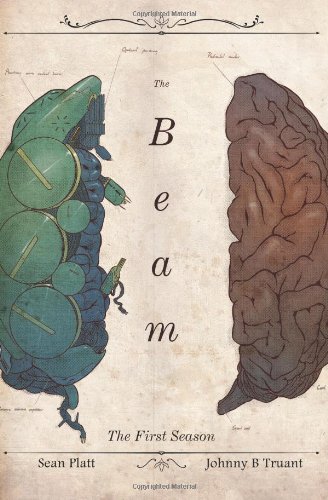
Sean Platt & Johnny B. Truant
Build a sustainable indie publishing business with this comprehensive guide to prolific writing and smart marketing.

Literature & Latte
The gold-standard writing tool for serious authors — organize, draft, and export your manuscript with ease.

David Gaughran
Turn casual browsers into loyal fans with a proven reader acquisition and retention system.
Get the free KDP ACOS Calculator
A Google Sheet that calculates your break-even ACOS, true profit per sale, and optimal bid ceiling for any book — plus weekly KDP ads tips delivered every Monday.
No spam. Unsubscribe anytime.
More Resources for KDP Authors
Part of the Taciturn Studios publishing network.
CoverCrushing
covercrushing.com
Book cover inspiration and design analysis for authors who know that covers sell books.
MyAuthorVoice
myauthorvoice.com
Writing craft, author branding, and publishing guides for KDP authors.

GuideTopics
guidetopics.com
In-depth how-to guides on Amazon Ads, KDP publishing workflows, and self-publishing tools.



We use cookies and similar technologies to improve your experience, analyze site traffic, and serve relevant ads. By clicking Accept, you consent to our use of cookies as described in our Privacy Policy. You can decline non-essential cookies — the site will still work, but personalized ads won't be shown.