Amazon KDP Ads vs BookBub Ads in 2026: The Complete Comparison Every Self-Published Author Needs
Amazon KDP Ads vs BookBub Ads in 2026 offers KDP authors two distinct, powerful avenues for book promotion, each with unique strengths, audience reach, and
Amazon KDP Ads vs BookBub Ads in 2026: The Complete Comparison Every Self-Published Author Needs
Amazon KDP Ads vs BookBub Ads in 2026 offers KDP authors two distinct, powerful avenues for book promotion, each with unique strengths, audience reach, and cost structures. Understanding their differences is crucial for optimizing your marketing budget and maximizing your book's visibility and sales on the ever-evolving digital landscape. This comparison will help you strategically allocate your resources to achieve your publishing goals.
Table of Contents
- The Evolving Landscape of Book Advertising for KDP Authors
- Amazon KDP Ads: The Ecosystem Advantage
- BookBub Ads: Reaching Engaged Readers Directly
- Key Differences: Targeting, Cost, and Impact
- Strategic Integration: How to Use Both Effectively
- Measuring Success: Metrics and Optimization
- Future Trends and Predictions for 2026
The Evolving Landscape of Book Advertising for KDP Authors
The world of self-publishing is dynamic, and nowhere is this more apparent than in book advertising. What worked last year might be less effective today, and by 2026, the strategies KDP authors employ will have continued to adapt. The core challenge remains: how do you get your book in front of the right readers at the right time without breaking the bank?
For years, Amazon KDP Ads and BookBub Ads have stood out as two of the most potent tools in an indie author's arsenal. Amazon, as the dominant retailer, offers unparalleled reach directly on the platform where books are bought. BookBub, on the other hand, has carved out a niche as a trusted curator of deals, reaching highly engaged readers through email and its website. Both platforms have evolved significantly, introducing new features, targeting options, and pricing models. Understanding these changes and how they impact your advertising strategy is paramount for sustainable success. This article will dissect both platforms as they stand in 2026, providing a clear roadmap for KDP authors navigating their promotional efforts.
The Rise of AI in Ad Management
In 2026, AI-powered tools are no longer a luxury but a necessity for many KDP authors. Platforms like BookAds AI leverage machine learning to optimize bids, identify profitable keywords, and manage campaigns more efficiently than manual methods. This shift allows authors to focus more on writing and less on the minutiae of ad management, which can be particularly complex on platforms like Amazon with their vast array of targeting options. The ability of AI to process large datasets and react to market changes in real-time gives authors a significant edge, helping to cut ACOS (Advertising Cost of Sales) and improve ROI. This technological advancement means that even authors with limited time or advertising experience can compete effectively.
The Importance of a Diversified Ad Strategy
Relying on a single advertising platform, no matter how powerful, is a risky strategy. Market conditions, algorithm changes, and audience preferences can shift rapidly, impacting the effectiveness of your campaigns. A diversified ad strategy, incorporating both Amazon KDP Ads and BookBub Ads (when appropriate), allows KDP authors to mitigate risk and reach different segments of their target audience. Amazon captures readers actively browsing for books or similar titles, while BookBub reaches readers who are specifically looking for deals and recommendations in their preferred genres. Combining these approaches can create a synergistic effect, driving both immediate sales and long-term discoverability for your titles.
Understanding Your Author Business Goals
Before diving into any advertising platform, KDP authors must clearly define their goals. Are you launching a new series and aiming for maximum visibility? Do you have a backlist title that needs a sales boost? Are you trying to build your author brand and email list? Your objectives will dictate which platform is more suitable for a particular campaign and how you measure success. For instance, a new release might benefit from the broad reach of Amazon Ads combined with the immediate impact of a BookBub Featured Deal, while a backlist title might thrive on consistent, targeted Amazon campaigns. Without clear goals, advertising spend can quickly become inefficient, leading to frustration and wasted resources.
Amazon KDP Ads: The Ecosystem Advantage
Amazon KDP Ads, specifically Amazon Ads (formerly Amazon Marketing Services or AMS), offers KDP authors direct access to the world's largest bookstore. Its primary advantage lies in its proximity to the point of purchase. When a reader clicks on an Amazon Ad, they are already on the platform, often with their credit card details saved, making the path to conversion incredibly short. In 2026, Amazon's ad platform has grown even more sophisticated, offering granular targeting and powerful automation features that can be a game-changer for indie authors.
Sponsored Products: Driving Sales and Visibility
Sponsored Products are the workhorse of Amazon KDP Ads. These ads appear directly within Amazon search results and on product detail pages, making them highly visible to readers actively searching for books. KDP authors can target these ads in several ways:
- Keyword Targeting: Bidding on specific keywords that readers might use to find books like yours. This can be broad (e.g., "epic fantasy") or highly specific (e.g., "grimdark fantasy series with dragons").
- ASIN Targeting (Product Targeting): Directly targeting specific books, authors, or categories. This allows you to place your ad on the product pages of competing or complementary titles, capturing readers who have already shown interest in a similar book.
- Category Targeting: Reaching readers browsing specific book categories or subcategories.
- Audience Targeting: In 2026, Amazon's audience targeting has expanded, allowing authors to reach readers based on their shopping behaviors and interests, moving beyond just book-specific signals.
The effectiveness of Sponsored Products hinges on continuous optimization of keywords, bids, and ad copy. Tools like BookAds AI specialize in automating this process, ensuring your campaigns remain profitable and efficient.
Sponsored Brands: Building Author Brand Recognition
Sponsored Brands ads are designed for authors with multiple titles, often a series. These ads feature your author brand logo, a custom headline, and up to three of your books. They appear prominently at the top of Amazon search results, offering significant visibility. When clicked, these ads can lead to a custom landing page (Store page) showcasing your entire catalog or a specific series.
The main benefit of Sponsored Brands is brand building. They help KDP authors establish recognition and encourage readers to explore their full body of work, rather than just a single title. While they might have a higher cost per click (CPC) than Sponsored Products, the long-term value of attracting readers to your entire catalog can be substantial. In 2026, Amazon has refined its Store pages, offering more customization options for authors to create an immersive brand experience.
Sponsored Display: Reaching Readers Off-Amazon
Sponsored Display ads are a powerful tool for extending your reach beyond Amazon. These ads can appear on Amazon's own sites and apps, as well as on third-party websites and apps. They are particularly effective for retargeting – showing ads to readers who have previously viewed your book or similar books but haven't yet purchased.
This type of ad allows KDP authors to keep their books top-of-mind for potential readers who might have been distracted or needed more time to decide. Sponsored Display offers various targeting options, including audience segments, product targeting (ASINs), and category targeting. While the conversion path is slightly longer than on-Amazon ads, the ability to reach readers across the web makes it a valuable component of a comprehensive advertising strategy, especially for authors looking to build a wider audience.
📚 Recommended Resource: Strangers to Superfans by David Gaughran This book provides actionable strategies for KDP authors to turn casual readers into loyal fans, a crucial step after your ads bring in initial sales. 🛒 Buy on Amazon | 📖 Buy on Bookshop.org
BookBub Ads: Reaching Engaged Readers Directly
BookBub has established itself as a premier platform for book discovery, particularly for deal-seeking readers. While its famous "Featured Deals" are highly competitive and exclusive, BookBub Ads offer KDP authors a more accessible way to reach its massive, engaged audience. These ads appear in BookBub's daily email newsletters, on its website, and within its app, targeting readers based on their genre preferences and reading habits.
Audience Targeting: Precision for Passionate Readers
BookBub's strength lies in its highly segmented and engaged audience. KDP authors can target BookBub Ads with impressive precision:
- Genre Targeting: Reach readers who have explicitly expressed interest in specific genres and subgenres (e.g., "Cozy Mystery," "Space Opera," "Historical Romance").
- Author Targeting: Target fans of specific authors. This is incredibly powerful, allowing you to show your book to readers who already love books similar to yours.
- Category Targeting: Similar to genre, but often more granular.
- Deal Preference Targeting: Target readers who prefer free books, discounted books, or full-price books.
- Location Targeting: Focus on readers in specific countries.
This level of targeting ensures that your ad spend is directed towards readers most likely to be interested in your book, leading to higher click-through rates (CTR) and conversion potential.
Ad Formats and Placements
BookBub Ads primarily consist of image-based ads that appear in several key locations:
- Daily Email Newsletters: This is arguably the most valuable placement, as ads are delivered directly to the inboxes of millions of engaged readers who have opted in to receive book recommendations.
- BookBub Website and App: Ads are displayed on genre pages, author pages, and within the "Discover" section of the BookBub platform.
- Recommendation Widgets: Ads can appear as "You May Also Like" recommendations.
The visual nature of BookBub Ads means that compelling cover art is paramount. A strong cover, combined with enticing ad copy, is essential for capturing attention in a crowded inbox or webpage. KDP authors should experiment with different ad creatives to see what resonates best with their target audience.
Cost Structure and Bidding
BookBub Ads operate on a cost-per-click (CPC) model, where authors bid for ad placements. The bidding environment can be competitive, especially for popular genres and author targets. However, unlike Amazon, BookBub's bidding system is generally simpler, without the same level of complexity in match types or dynamic bidding strategies.
Authors set a maximum CPC bid and a daily budget. BookBub's algorithm then determines if your ad is shown based on your bid, targeting, and ad quality. It's crucial to monitor your campaigns closely, adjusting bids and testing new creatives to maintain a positive return on investment. While BookBub Ads can sometimes have a higher CPC than Amazon Ads for certain targets, the quality of the clicks (highly engaged readers) often justifies the cost.
Key Differences: Targeting, Cost, and Impact
Understanding the fundamental distinctions between Amazon KDP Ads and BookBub Ads is critical for KDP authors to make informed decisions about their advertising strategy in 2026. While both aim to sell books, their approaches, audience engagement, and typical outcomes differ significantly.
Targeting Methodologies
Amazon KDP Ads:
- Behavioral & Contextual: Primarily targets readers based on their search queries on Amazon, books they've viewed or purchased, and categories they browse. It's about meeting readers where they are in their shopping journey on Amazon.
- Keyword-driven: Heavy reliance on keywords (broad, phrase, exact) and ASINs (product targeting) to connect with relevant readers.
- Audience Segments: Growing options for targeting based on broader shopping interests and demographics within the Amazon ecosystem.
BookBub Ads:
- Interest & Preference-driven: Targets readers based on their explicitly stated genre preferences, favorite authors, and deal preferences (free, discounted, full price) as indicated in their BookBub profiles.
- Author & Genre-focused: Highly effective for reaching established fanbases of specific authors or broad genre enthusiasts.
- Email-centric: A significant portion of its power comes from reaching readers directly in their email inboxes, where they've opted-in for book recommendations.
Cost Structure and Bidding Environment
Amazon KDP Ads:
- CPC (Cost Per Click): Authors bid on keywords, ASINs, or categories.
- Highly Competitive: Bids can range from $0.10 to over $2.00 per click, depending on the genre, keyword popularity, and time of year. ACOS (Advertising Cost of Sales) is the primary metric for profitability.
- Dynamic Bidding: Amazon's system is complex, with various bid strategies (dynamic bids - down only, up and down, fixed bids) and match types, requiring constant monitoring and optimization. This is where AI tools like BookAds AI shine, automating these complex adjustments.
BookBub Ads:
- CPC (Cost Per Click): Authors bid on audience segments (genres, authors).
- Competitive but Simpler: Bids can range from $0.30 to $1.50+ per click. Cost effectiveness is often measured by ROI (Return on Investment) or direct sales.
- Transparent Bidding: Generally a more straightforward bidding process compared to Amazon, though still requiring strategic adjustments.
Immediate vs. Long-Term Impact
Amazon KDP Ads:
- Immediate Sales: Excellent for driving direct sales, especially for new releases or titles with strong covers and blurbs.
- Discoverability: Helps books rank higher in search results and "Also Bought" sections, leading to organic sales beyond ad clicks.
- Data Rich: Provides extensive data on keyword performance, ACOS, and campaign effectiveness, allowing for granular optimization.
BookBub Ads:
- Spike Sales: Can generate significant sales spikes, particularly for discounted books, due to the highly engaged audience.
- List Building: Effective for driving sign-ups to author newsletters if the ad links to a landing page with a reader magnet.
- Brand Awareness: Exposes your book to a large, relevant audience, potentially leading to long-term readership.
- Lower ACOS Potential (for specific campaigns): While CPC can be higher, the conversion rate from highly targeted BookBub ads can sometimes result in a lower effective ACOS or higher ROI for specific promotions.
Comparison Table: Amazon KDP Ads vs. BookBub Ads (2026)
| Feature | Amazon KDP Ads (Sponsored Products/Brands/Display) | BookBub Ads |
|---|---|---|
| Primary Goal | Direct sales, discoverability, organic ranking, ACOS optimization | Sales spikes, newsletter sign-ups, brand awareness, reaching engaged readers |
| Audience | Active Amazon shoppers, those browsing specific books/genres | Opt-in email subscribers, genre enthusiasts, deal seekers |
| Targeting | Keywords, ASINs, Categories, Audiences (on/off Amazon) | Genres, Authors, Categories, Deal Preferences, Location |
| Ad Placement | Amazon search results, product pages, Kindle lockscreens, external websites/apps | BookBub emails, website, app, recommendation widgets |
| Bidding Model | CPC (Cost Per Click) | CPC (Cost Per Click) |
| Bidding Complexity | High (match types, dynamic bids, negative targeting, bid adjustments) | Moderate (max CPC, daily budget, some bid adjustments) |
| Typical CPC Range | $0.10 - $2.00+ (highly variable) | $0.30 - $1.50+ (highly variable) |
| Conversion Path | Short (on-platform purchase) | Moderate (click to retailer, then purchase) |
| Data & Analytics | Extensive (impressions, clicks, sales, ACOS, ROAS, detailed reports) | Good (impressions, clicks, CTR, spend, basic sales tracking if linked) |
| Best For | Sustained sales, new releases, backlist, series, building organic rank | Sales spikes, discounted books, newsletter growth, reaching specific fanbases |
| Automation Potential | High (BookAds AI for bid optimization, keyword harvesting) | Moderate (less complex, but still benefits from careful management) |
Strategic Integration: How to Use Both Effectively
For KDP authors aiming for comprehensive market penetration, the question isn't "Amazon KDP Ads or BookBub Ads," but rather "how can I use both effectively?" A synergistic approach leverages the unique strengths of each platform to create a powerful promotional ecosystem.
Step 1 of 3: Launching a New Book or Series
When launching a new book or the first in a series, a multi-pronged approach is often most effective.
- Pre-Launch (BookBub): Consider running BookBub Ads targeting fans of similar authors in your genre during the pre-order phase. While BookBub doesn't directly support pre-order ads in the same way Amazon does, you can direct traffic to your retailer page, building early momentum and potentially securing early reviews. If you can land a BookBub Featured Deal for a free or discounted first-in-series, this can be an explosive launchpad.
- Launch Week (Amazon & BookBub): Immediately upon release, activate robust Amazon KDP Ads campaigns (Sponsored Products, potentially Sponsored Brands). Target relevant keywords, ASINs of popular books in your niche, and categories. Simultaneously, run BookBub Ads with a strong call to action for your new release, targeting your core audience. The goal here is maximum visibility and sales velocity to boost Amazon's algorithms.
- Post-Launch (Amazon & BookBub): Maintain consistent Amazon campaigns to sustain sales and discoverability. Use BookBub Ads periodically to drive traffic for specific promotions (e.g., a limited-time discount) or to promote subsequent books in a series.
Step 2 of 3: Promoting a Backlist Title
Backlist titles often benefit from a different strategy, focusing on consistent, profitable sales rather than massive spikes.
- Amazon KDP Ads for Evergreen Sales: Set up evergreen Sponsored Products campaigns targeting high-converting keywords and ASINs. Monitor ACOS closely using tools like a Free ACOS Calculator and continuously optimize bids and negative keywords. These campaigns aim for steady, predictable income from your existing catalog. Consider using Sponsored Display to retarget readers who have viewed your backlist titles but haven't purchased.
- BookBub Ads for Targeted Boosts: Use BookBub Ads strategically to give backlist titles a periodic boost. This is especially effective if you drop the price for a limited time. Target readers who have shown interest in similar books or authors. This can re-ignite interest and potentially lead to readers exploring other books in your backlist. For authors with a series, promoting the first book (even free) via BookBub Ads can lead to significant sell-through of subsequent books on Amazon.
Step 3 of 3: Building Your Author Platform
Both platforms can contribute to author platform growth, but in different ways.
- BookBub for Newsletter Growth: BookBub Ads are excellent for driving traffic to a landing page where readers can sign up for your author newsletter. Offer a compelling reader magnet (e.g., a free short story or prequel novella) in exchange for their email. This builds a direct line of communication with your most engaged readers.
- Amazon for Organic Reach & Reviews: Consistent sales from Amazon KDP Ads contribute to higher organic rankings and "Also Bought" visibility, which naturally exposes your brand to more readers. More sales also often lead to more reviews, which are crucial for social proof and attracting new readers. Encourage newsletter sign-ups within your book's back matter to convert Amazon buyers into direct subscribers.
📚 Recommended Resource: Newsletter Ninja by Tammi Labrecque Learn how to build and maintain an engaged email list, a critical asset for any KDP author, especially when leveraging BookBub Ads for list growth. 🛒 Buy on Amazon | 📖 Buy on Bookshop.org
Measuring Success: Metrics and Optimization
Effective advertising isn't just about spending money; it's about spending it wisely and understanding the return on your investment. In 2026, KDP authors must be adept at interpreting data from both Amazon KDP Ads and BookBub Ads to optimize their campaigns for profitability and growth.
Key Metrics for Amazon KDP Ads
- ACOS (Advertising Cost of Sales): This is your most critical metric. It's calculated as (Ad Spend / Ad Sales) * 100. A low ACOS means your ads are profitable. Your target ACOS will depend on your royalty per sale and overall strategy (e.g., a higher ACOS might be acceptable for a first-in-series to drive readership).
- ROAS (Return on Ad Spend): (Ad Sales / Ad Spend). A ROAS of 2 means you're getting $2 back for every $1 spent.
- Impressions: How many times your ad was shown. High impressions with low clicks might indicate a poor ad creative or targeting.
- Clicks: How many times your ad was clicked.
- CTR (Click-Through Rate): (Clicks / Impressions) * 100. A good CTR indicates your ad is appealing to the targeted audience.
- Sales: The number of books sold directly from ad clicks.
- Conversion Rate: (Sales / Clicks) * 100. How many clicks turned into sales.
- Organic Sales Lift: While not directly measured by Amazon Ads, it's crucial to track overall sales for the advertised book. A successful ad campaign should not only generate direct sales but also boost organic sales by improving ranking and visibility.
Optimization Checklist for Amazon KDP Ads: ✅ Continuously add negative keywords to filter out irrelevant searches. ✅ Adjust bids based on ACOS performance for individual keywords and ASINs. ✅ Test different ad creatives (covers, blurbs) and headlines. ✅ Experiment with different match types (broad, phrase, exact) for keywords. ✅ Monitor campaign budgets and adjust as needed to scale profitable campaigns. ✅ Use AI tools like BookAds AI to automate bid adjustments and keyword harvesting.
Key Metrics for BookBub Ads
- CTR (Click-Through Rate): Crucial for BookBub Ads. A high CTR indicates your ad creative and targeting are effective. BookBub provides benchmarks for different genres.
- CPC (Cost Per Click): How much you're paying for each click.
- Spend: Total amount spent on the campaign.
- Sales (Direct & Indirect): While BookBub doesn't directly track sales on Amazon, you can monitor sales spikes on your retailer dashboards during and immediately after a BookBub Ad campaign. Use unique tracking links if possible.
- Newsletter Sign-ups: If your ad directs to a landing page for email capture, track how many new subscribers you gain.
- ROI (Return on Investment): Calculate this by comparing your ad spend to the estimated profit from sales generated (considering sell-through for series).
Optimization Checklist for BookBub Ads: ✅ Test multiple ad images (covers) and headlines to find the best performers. ✅ Refine your targeting by experimenting with different author and genre combinations. ✅ Adjust bids based on your desired CPC and campaign performance. ✅ Monitor your CTR closely; if it drops, refresh your ad creative. ✅ Track sales spikes on Amazon and other retailers to estimate campaign effectiveness. ✅ For newsletter campaigns, optimize your landing page for conversion.
Case Study: Indie Romance Author — Before/After
Before BookAds AI: An indie romance author, "Sarah M.," was spending $500/month on Amazon KDP Ads, primarily using manual keyword targeting. Her average ACOS was 65%, meaning for every $100 in ad-driven sales, she was spending $65 on ads. Her time spent managing ads was 10-12 hours per week, mostly on bid adjustments and keyword research. She struggled to identify profitable keywords and often saw her ACOS creep up.
After BookAds AI: Sarah integrated her Amazon Ads account with BookAds AI. The platform immediately began optimizing her bids in real-time, identifying underperforming keywords, and automatically harvesting new, profitable keywords. Within the first month, her ACOS dropped to 35%, increasing her net profit significantly. Her ad spend remained around $500/month, but her ad-driven sales nearly doubled. Her time spent on ad management reduced to 1-2 hours per week, primarily reviewing reports and approving new campaigns. This allowed her to focus on writing her next book and engaging with her readers.
Future Trends and Predictions for 2026
The digital advertising landscape for KDP authors is constantly evolving. Staying ahead of the curve means anticipating future trends and adapting strategies. Here's what KDP authors can expect in 2026 for Amazon KDP Ads and BookBub Ads.
Increased AI and Automation Dominance
By 2026, AI will be an even more integral part of ad management. Platforms like BookAds AI will offer more sophisticated predictive analytics, not just optimizing bids but also recommending optimal ad copy, targeting segments, and even suggesting launch timings based on market trends. Manual ad management will become increasingly inefficient and less competitive. Authors who embrace AI tools will have a significant advantage in maintaining low ACOS and maximizing ROI. Expect more "set it and forget it" (with oversight) solutions that free up author time.
Enhanced Personalization and Hyper-Targeting
Both Amazon and BookBub will continue to refine their targeting capabilities, offering even more granular personalization.
- Amazon: Expect deeper integration of reader behavior beyond just book purchases. This could include broader shopping habits, content consumption (Prime Video, Audible), and demographic data, allowing for hyper-targeted audience segments. Sponsored Display will likely see significant advancements in dynamic creative optimization based on individual user preferences.
- BookBub: Their already strong interest-based targeting will likely evolve to include more nuanced reader profiles, perhaps incorporating reading speed, preferred sub-genres, and even mood-based recommendations. This will make BookBub Ads even more effective for niche genres.
The Rise of Audiobooks and Other Formats in Advertising
While primarily focused on ebooks and print, 2026 will see a greater emphasis on advertising audiobooks. Amazon KDP Ads will likely offer more specific targeting options for Audible listeners, and BookBub might introduce dedicated ad units or featured deals for audiobooks. KDP authors who produce audio versions of their books will need to integrate these into their ad strategies.
Greater Emphasis on Ad Creative and Storytelling
As ad platforms become more saturated and targeting more precise, the quality of ad creative will become paramount. Static images and generic headlines will struggle to stand out. KDP authors will need to invest more in compelling cover art, engaging ad copy that tells a mini-story, and potentially even short video snippets (especially for Amazon's evolving ad formats) to capture attention. A strong hook in your ad will be just as important as a strong hook in your book.
Data Privacy and Transparency Changes
While not directly impacting the mechanics of ad platforms, ongoing changes in data privacy regulations (e.g., GDPR, CCPA, and new global equivalents) will continue to shape how data is collected and used for targeting. Both Amazon and BookBub will adapt to these changes, potentially leading to more transparent data usage policies and new ways for authors to understand their audience while respecting privacy. This might also mean a slight shift towards contextual targeting over purely behavioral targeting in some instances.
Frequently Asked Questions
Q: Which platform is better for a new KDP author with a limited budget? A: For a new KDP author with a limited budget, Amazon KDP Ads (specifically Sponsored Products) is generally recommended first. Its direct proximity to the point of purchase and ability to drive immediate sales and discoverability on the largest bookstore platform makes it a strong starting point. BookBub Ads can be effective but often require a slightly higher budget for meaningful impact.
Q: Can I run Amazon KDP Ads and BookBub Ads simultaneously? A: Yes, absolutely! Running both simultaneously is often the most effective strategy. Amazon KDP Ads capture readers actively browsing on Amazon, while BookBub Ads reach an engaged audience looking for deals and recommendations via email and their platform. This synergistic approach maximizes reach and sales potential.
Q: What is a good ACOS for Amazon KDP Ads? A: A "good" ACOS varies based on your royalty rate and goals. Many KDP authors aim for an ACOS between 30-50% for profitable campaigns. For a first-in-series or a new launch, you might accept a higher ACOS (e.g., 70-100%) to gain visibility and drive readers into your series, knowing the backend sales will make it profitable.
Q: Are BookBub Featured Deals still worth pursuing in 2026? A: Yes, BookBub Featured Deals remain one of the most powerful promotional tools for KDP authors, capable of generating massive sales spikes and visibility. However, they are highly competitive and exclusive. Even if you don't secure a Featured Deal, BookBub Ads offer a more accessible way to tap into BookBub's engaged audience.
Q: How do I know if my ads are actually making me money? A: For Amazon KDP Ads, track your ACOS and ROAS in your Amazon Ads dashboard. Compare your ad spend to the royalties earned from ad-attributed sales. For BookBub Ads, monitor sales spikes on your retailer dashboards during and after campaigns, and track newsletter sign-ups if that's your goal. Tools like BookAds AI can help automate this analysis for Amazon.
Q: What's the biggest mistake KDP authors make with advertising? A: The biggest mistake is setting up campaigns and forgetting about them. Advertising requires continuous monitoring, optimization, and testing. Failing to adjust bids, refine targeting, or refresh ad creatives will quickly lead to wasted ad spend and poor results. Another common mistake is not having a clear goal for each campaign.
Q: Should I focus on free or paid books with BookBub Ads? A: BookBub Ads can work for both, but they are particularly effective for free or deeply discounted books, especially if you have a series. Free first-in-series books can drive significant downloads and subsequent sales of later books. Paid books can also perform well if the targeting is precise and the cover/blurb are compelling.
Q: How often should I check my ad campaigns? A: For Amazon KDP Ads, daily or every other day is ideal, especially for new campaigns, to make quick adjustments. Once campaigns are stable, 2-3 times a week might suffice. For BookBub Ads, check daily during the campaign, and then analyze results thoroughly afterward. Using an AI automation platform like BookAds AI significantly reduces the manual time required.
Conclusion
In 2026, the landscape for KDP authors navigating book advertising is both complex and full of opportunity. Both Amazon KDP Ads and BookBub Ads offer powerful avenues to reach readers, but their strengths and optimal use cases differ significantly. Amazon provides unparalleled access to buyers directly on the platform, excelling at sustained sales, discoverability, and leveraging sophisticated targeting. BookBub, with its highly engaged, genre-specific audience, is a powerhouse for sales spikes, newsletter growth, and reaching dedicated fans.
The most successful KDP authors will not choose one over the other but will strategically integrate both platforms into a diversified marketing plan. By understanding their unique targeting mechanisms, cost structures, and impact, authors can create a synergistic approach that maximizes visibility, drives sales, and builds a loyal readership. Embracing AI-powered automation, like that offered by BookAds AI, will be crucial for optimizing campaigns, cutting ACOS, and freeing up valuable time for writing. The future of book advertising is about smart, data-driven decisions, and leveraging the best tools available to connect your stories with eager readers.
Ready to stop manually adjusting bids and guessing which keywords work? Try BookAds AI free for 14 days — no credit card required. Our AI handles bid optimization, keyword harvesting, and ACOS management so you can focus on writing your next book.
Related Articles
- How to Lower Your ACOS on Amazon KDP Ads
- The Ultimate Guide to Amazon KDP Keyword Research
- Mastering Amazon KDP Ad Targeting: Strategies for Indie Authors
This article contains Amazon and Bookshop.org affiliate links. If you purchase through them, BookAds AI earns a small commission at no extra cost to you. Bookshop.org links also support independent bookstores.
Tools KDP Authors Love
As an Amazon Associate and Bookshop.org affiliate, BookAds AI earns from qualifying purchases.

Nick Stephenson
The step-by-step system for growing your reader base with reader magnets and email marketing.
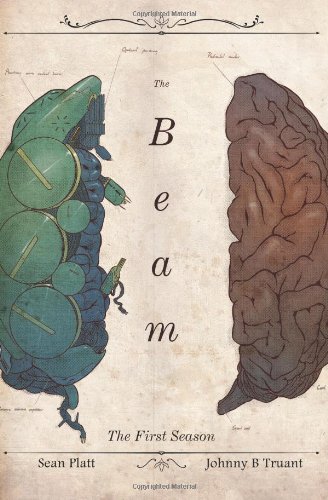
Sean Platt & Johnny B. Truant
Build a sustainable indie publishing business with this comprehensive guide to prolific writing and smart marketing.

Tammi Labrecque
Master email marketing for authors — grow your list, boost open rates, and sell more books.
Get the free KDP ACOS Calculator
A Google Sheet that calculates your break-even ACOS, true profit per sale, and optimal bid ceiling for any book — plus weekly KDP ads tips delivered every Monday.
No spam. Unsubscribe anytime.
More Resources for KDP Authors
Part of the Taciturn Studios publishing network.

CoverCrushing
covercrushing.com
Book cover inspiration and design analysis for authors who know that covers sell books.
MyAuthorVoice
myauthorvoice.com
Writing craft, author branding, and publishing guides for KDP authors.

GuideTopics
guidetopics.com
In-depth how-to guides on Amazon Ads, KDP publishing workflows, and self-publishing tools.



We use cookies and similar technologies to improve your experience, analyze site traffic, and serve relevant ads. By clicking Accept, you consent to our use of cookies as described in our Privacy Policy. You can decline non-essential cookies — the site will still work, but personalized ads won't be shown.