7 Ways to Reduce Wasted Ad Spend on KDP Sponsored Products in 2026
Reducing wasted ad spend on KDP Sponsored Products is crucial for indie authors to maximize profitability and scale their book royalties. It means optimizing
7 Ways to Reduce Wasted Ad Spend on KDP Sponsored Products in 2026
Reducing wasted ad spend on KDP Sponsored Products is crucial for indie authors to maximize profitability and scale their book royalties. It means optimizing your Amazon Advertising campaigns to ensure every dollar spent contributes to sales, rather than being lost on irrelevant clicks or underperforming ads. For KDP authors, this directly impacts your ACOS (Advertising Cost of Sales) and, ultimately, your bottom line, allowing you to invest more strategically in your author career.
Table of Contents
- Master Your Targeting: Precision Over Broad Strokes
- Optimize Your Bids: The Art of Smart Spending
- Leverage Negative Keywords and ASINs: Blocking the Bleed
- Refine Your Ad Copy and Book Page: Maximizing Conversion
- Implement Strategic Campaign Structure: Clarity and Control
- Monitor and Analyze Performance: Data-Driven Decisions
- Automate with AI: The Future of KDP Ad Optimization
Master Your Targeting: Precision Over Broad Strokes
One of the quickest ways to reduce wasted ad spend is to ensure your ads are seen by the right readers. Broad targeting might get you more impressions, but if those impressions don't convert into clicks and sales, you're just throwing money away. Precision targeting is about understanding your ideal reader and reaching them directly.
Understanding Your Ideal Reader Profile
Before you even touch your Amazon Ads dashboard, you need a crystal-clear picture of who your book is for. This isn't just about genre; it's about demographics, psychographics, and reading habits. What other books do they read? What authors do they follow? What problems does your book solve, or what desires does it fulfill? For instance, if you write cozy mysteries, your ideal reader might be a woman aged 45-65 who enjoys lighthearted puzzles and has a fondness for cats. If you write epic fantasy, your reader might be a male aged 18-35 who devours long series and appreciates intricate world-building. The more detailed your reader profile, the easier it will be to identify relevant keywords and ASINs. This foundational work helps you avoid targeting terms that are too generic or appeal to readers outside your core audience, which often leads to clicks that never convert.
Keyword Research for High-Intent Buyers
Effective keyword research is the bedrock of targeted advertising. Instead of simply guessing what readers might type, use tools and strategies to uncover high-intent keywords. Start with your book's title, subtitle, and genre. Brainstorm synonyms and related terms. Look at the keywords used by successful books in your niche. Tools like Publisher Rocket or even Amazon's own search bar (by observing autocomplete suggestions) can provide a wealth of data. Focus on long-tail keywords (phrases of three or more words) because they often indicate a more specific intent. For example, "fantasy books" is broad, but "epic fantasy series with dragons" is highly specific and likely to attract someone ready to buy that exact type of book. These specific keywords generally have lower search volume but much higher conversion rates, meaning your ad spend is more efficiently used.
ASIN Targeting for Niche Audiences
ASIN (Amazon Standard Identification Number) targeting allows you to place your ads directly on the product pages of other books. This is incredibly powerful because you're targeting readers who are already actively browsing for books similar to yours. The key is to target books that are genuinely comparable, not just broadly related. Look for books with similar genres, subgenres, themes, and target audiences. Target books that are selling well but aren't so dominant that your ad gets lost. Also, consider books that are slightly older but still popular, as their readers might be looking for something new in the same vein. Avoid targeting bestsellers that are completely unrelated to your book, as this is a common way to accrue clicks from uninterested buyers. Regularly review the performance of your ASIN targets. If a particular ASIN isn't generating sales, remove it.
📚 Recommended Resource: "Strangers to Superfans" by David Gaughran This book provides invaluable insights into understanding your audience and building a loyal readership, which directly translates to more effective ad targeting and higher conversion rates. 🛒 Buy on Amazon | 📖 Buy on Bookshop.org
Optimize Your Bids: The Art of Smart Spending
Bidding strategy is where many KDP authors either make or break their ad campaigns. Bidding too high can quickly deplete your budget, while bidding too low can mean your ads never get seen. The goal is to find the sweet spot that maximizes visibility and sales without overspending.
Understanding Bid Types and Strategies
Amazon Ads offers several bid strategies: Dynamic Bids - Down Only, Dynamic Bids - Up and Down, and Fixed Bids.
- Dynamic Bids - Down Only: Amazon will lower your bid for clicks that are less likely to convert. This is often a good starting point for new campaigns as it helps protect your budget from low-quality clicks.
- Dynamic Bids - Up and Down: Amazon can increase your bid by up to 100% for clicks that are highly likely to convert and lower it for those less likely. This can lead to more impressions and sales, but also higher costs per click (CPC). Use this once you have a well-optimized campaign and a clear understanding of your ACOS.
- Fixed Bids: Amazon uses your exact bid for every opportunity, regardless of conversion likelihood. This gives you the most control but requires careful monitoring to prevent overspending on irrelevant clicks. It's generally not recommended for most KDP authors unless you have very specific reasons and a deep understanding of your market.
Choosing the right bid strategy depends on your campaign's maturity and your risk tolerance. For most KDP authors aiming to reduce wasted ad spend, "Dynamic Bids - Down Only" is a safe and effective choice, especially when starting out.
Iterative Bid Adjustments Based on Performance
Bidding is not a set-it-and-forget-it task. It requires continuous monitoring and adjustment. Start with a reasonable bid, perhaps slightly above Amazon's suggested range, to ensure your ads get some impressions. Once data starts rolling in (give campaigns at least 7-14 days to gather meaningful data), analyze your ACOS for each keyword and ASIN.
- High ACOS (above your target): Gradually decrease bids for these terms. If a keyword has a very high ACOS and no sales, consider pausing it or moving it to a negative keyword list.
- Low ACOS (below your target) with sales: Consider slightly increasing bids to capture more impressions and potentially more sales.
- No Impressions/Clicks: If a keyword or ASIN has zero impressions, your bid is likely too low. Increase it gradually until you start seeing activity.
The key is to make small, incremental changes (e.g., 5-10% adjustments) and observe the impact before making further changes. This iterative process allows you to fine-tune your bids without drastic swings in performance.
Case Study: Indie Author — Before/After
Case Study: Indie Author — Before/After
Author: Sarah J., Romance Author Book: Standalone Contemporary Romance Goal: Reduce ACOS from 65% to under 40% while maintaining sales volume.
Before (Initial Campaign Setup):
- Campaign Type: Automatic Targeting (default settings)
- Bid Strategy: Dynamic Bids - Up and Down
- Average Bid: $0.75
- Keywords: Relied heavily on broad auto-generated keywords.
- ACOS: Consistently around 65-70%
- Problem: High ACOS due to irrelevant clicks from broad auto-targeting and Amazon boosting bids for low-converting keywords.
After (Optimized Campaign Setup):
- Campaign Type: Switched to Manual Targeting (Keyword and Product)
- Bid Strategy: Dynamic Bids - Down Only
- Average Bid: Started at $0.50, adjusted iteratively.
- Keywords:
- Harvested high-performing keywords from the initial auto campaign.
- Conducted extensive manual keyword research for long-tail, high-intent terms (e.g., "enemies to lovers office romance," "grumpy sunshine contemporary").
- Added negative keywords for irrelevant terms (e.g., "free romance," "historical romance").
- ASIN Targeting: Targeted specific, similar contemporary romance novels with good reviews.
- ACOS: Reduced to 38% within 6 weeks, then stabilized around 35%.
- Sales Volume: Maintained or slightly increased sales volume due to higher conversion rates from targeted traffic.
- Key Action: Implemented a rigorous weekly review process to adjust bids, add negative keywords, and refine ASIN targets.
Outcome: Sarah successfully reduced her ACOS by nearly half, significantly increasing her profit margin per sale, all by moving away from broad, high-risk bidding and towards precise, data-driven optimization.
Leverage Negative Keywords and ASINs: Blocking the Bleed
One of the most effective ways to reduce wasted ad spend is to proactively tell Amazon what you don't want your ads to show up for. This is where negative keywords and negative ASINs come into play. They act as filters, preventing your ads from appearing in irrelevant searches or on the pages of unrelated books.
Identifying Irrelevant Search Terms
Regularly review your "Search Terms" report within your Amazon Ads dashboard. This report shows you the actual search queries readers typed that led to your ad being displayed and clicked. Look for terms that:
- Are clearly unrelated to your book: If you write a sci-fi novel, and you see "cookbooks for beginners" in your search terms, that's a prime candidate for a negative keyword.
- Have many clicks but no sales: These terms are attracting attention but not from your target audience. They're costing you money without generating revenue.
- Are for competing authors or books that are too different: While ASIN targeting can be good, sometimes a broad match keyword might pick up a search for a specific author whose style is completely different from yours.
Once identified, add these terms as negative keywords. You can add them at the campaign level (applies to all ad groups within that campaign) or at the ad group level (applies only to that specific ad group). Start with "negative exact" match for precise blocking, and consider "negative phrase" for broader blocking of specific phrases.
Excluding Non-Converting ASINs
Just as you can target specific ASINs, you can also exclude them. In your "Targeting" report (for product targeting campaigns) or "Search Terms" report (for auto campaigns where Amazon shows your ad on product pages), identify ASINs that:
- Are generating clicks but no sales: These are books whose readers might click on your ad out of curiosity but aren't genuinely interested in what you offer.
- Are for books in entirely different genres or subgenres: An auto campaign might place your cozy mystery ad on the page of a hardcore thriller. This is a waste of money.
- Are for books with very low ratings or poor reviews: You don't want your book associated with low-quality content.
Adding these ASINs as negative product targets prevents your ad from appearing on those specific product pages in the future. This is particularly crucial for auto campaigns, which can sometimes be overly broad in their placement. Regularly pruning these non-performing ASINs is a continuous process that significantly contributes to a lower ACOS.
Checklist: Implementing Negative Keywords & ASINs
✅ Review Search Term Reports Weekly: Dedicate time each week to analyze the actual search queries and ASINs that triggered your ads. ✅ Identify High-Click, No-Sale Terms: Prioritize terms and ASINs that are costing you money without generating revenue. ✅ Add as Negative Exact: For highly specific irrelevant terms, use "negative exact" match to block them precisely. ✅ Consider Negative Phrase: For broader irrelevant phrases, use "negative phrase" to prevent variations. ✅ Exclude Irrelevant Product Pages: For product targeting campaigns, add non-converting ASINs to your negative product list. ✅ Maintain a Master Negative Keyword List: Keep a running list of common irrelevant terms for your genre to quickly add to new campaigns. ✅ Don't Be Afraid to Be Aggressive: If a term or ASIN is clearly wasting money, remove it. You can always re-evaluate later if needed.
Refine Your Ad Copy and Book Page: Maximizing Conversion
Even with perfect targeting and bidding, your ads won't convert if your ad copy is weak or your book's product page isn't compelling. These elements are crucial for turning clicks into sales, directly impacting your ACOS. A high click-through rate (CTR) but low conversion rate means you're paying for clicks that don't lead to purchases, effectively wasting ad spend.
Crafting Compelling Ad Copy
Your ad copy is often the first impression a reader has of your book. It needs to be concise, engaging, and clearly communicate the core appeal of your story.
- Highlight the Hook: What makes your book unique or irresistible? Is it a compelling premise, a unique character, or a specific trope? For a fantasy novel, it might be "Epic quest to save a dying world" or "Dark magic, ancient prophecies, and a reluctant hero."
- Use Strong Action Verbs: Instead of passive language, use verbs that evoke excitement and urgency. "Discover," "Unravel," "Experience," "Dive into."
- Mirror Your Genre: The language and tone of your ad copy should align with your genre's conventions. A cozy mystery ad will sound different from a thriller ad.
- Leverage Reviews (if applicable): If you have glowing reviews, consider incorporating a short, impactful snippet into your ad copy (e.g., "A 'page-turner' that kept me guessing!").
- Test Variations: Don't stick to one ad copy. Create several variations (A/B test them) to see which resonates most with your audience and generates the highest CTR and conversion. Small tweaks can make a big difference.
Optimizing Your Book's Product Page (Sales Page)
Your Amazon product page is your ultimate sales tool. Once a reader clicks your ad, they land here. If this page isn't optimized, all your ad spend is for naught.
- Book Cover: Your cover is the most important visual element. It must be professional, genre-appropriate, and stand out. It's the first thing readers see and often the primary reason they click your ad.
- Book Description (Blurb): This needs to be a compelling, concise, and benefit-driven sales pitch. Hook the reader in the first few sentences, introduce the conflict, and leave them wanting more. Use strong formatting (bolding, italics, bullet points) to make it scannable.
- "Look Inside" Feature: Ensure your "Look Inside" preview is engaging. The first few pages should grab the reader's attention and showcase your best writing.
- Reviews: Social proof is powerful. Encourage readers to leave reviews. A healthy number of positive reviews significantly boosts conversion rates.
- Categories and Keywords: Double-check that your book is listed in the most relevant and specific categories and that your 7 backend keywords are fully utilized and optimized for search.
- Author Bio: A professional and engaging author bio can build trust and connect with readers.
📚 Recommended Resource: "Let's Get Digital" by David Gaughran This foundational book for indie authors covers essential aspects of publishing, including how to craft compelling book descriptions and optimize your Amazon product page for maximum sales. 🛒 Buy on Amazon | 📖 Buy on Bookshop.org
Comparison Table: Strong vs. Weak Ad Copy Elements
| Feature | Weak Ad Copy Example | Strong Ad Copy Example | Impact on Wasted Spend |
|---|---|---|---|
| Headline | "My New Book Is Out Now" | "Unravel a Dark Secret in This Gripping Thriller" | Weak: Generic, no hook. Strong: Specific, intriguing. Reduces wasted clicks. |
| Call to Action | "Buy My Book" | "Dive into the Mystery Today!" | Weak: Demanding, uninspired. Strong: Engaging, invites action. Improves conversion. |
| Benefit/Hook | "A story about a girl and a dragon." | "A reluctant heroine, a powerful dragon, and a world on the brink of war." | Weak: Vague, unappealing. Strong: Details plot, creates intrigue. Attracts right readers. |
| Genre Clarity | "A good read." | "Fans of epic fantasy and intricate magic systems will love this." | Weak: No genre info. Strong: Targets specific genre readers. Filters out uninterested clicks. |
| Keywords | Not explicitly used in copy | "Cozy mystery," "small-town secrets," "cat detective" | Weak: Missed opportunity for relevance. Strong: Reinforces search intent. Higher CTR from relevant searches. |
| Tone | Flat, factual | Exciting, mysterious, romantic (genre-appropriate) | Weak: Fails to connect emotionally. Strong: Resonates with target audience. Higher engagement. |
Implement Strategic Campaign Structure: Clarity and Control
A well-organized campaign structure isn't just about tidiness; it's about gaining granular control over your ad spend and making data analysis easier. A chaotic structure often leads to overlapping keywords, inefficient bidding, and difficulty in identifying what's working and what's not, directly contributing to wasted ad spend.
Step 1 of 3: Separate Campaigns by Targeting Type
The first step to a strategic campaign structure is to separate your campaigns based on their targeting method. This allows you to allocate budgets, set bid strategies, and analyze performance for each type independently.
- Automatic Campaigns: These are great for discovery and harvesting new keywords and ASINs. They allow Amazon to automatically target relevant search terms and product pages.
- Manual Keyword Campaigns: These campaigns focus on specific keywords you've researched and identified as high-potential.
- Manual Product Targeting (ASIN) Campaigns: These target specific book ASINs or categories.
- Defensive Campaigns: These target your own book's ASIN and keywords to protect your product page from competitors' ads.
By separating these, you can manage their unique characteristics more effectively. For example, you might run an auto campaign with a lower budget to discover new terms, while your manual keyword campaign for proven terms might have a higher budget and more aggressive bids.
Step 2 of 3: Use Ad Groups for Granular Control
Within each campaign type, use ad groups to further segment your targeting. Ad groups allow you to group related keywords or ASINs together and set specific bids and ad copy for them. This is crucial for optimizing performance and avoiding wasted spend.
- Keyword Campaigns: Create ad groups based on keyword themes or intent. For example, one ad group for "cozy mystery" keywords, another for "small-town mystery" keywords, and another for "cat mystery" keywords. This allows you to bid differently for each theme and see which performs best.
- Product Targeting Campaigns: Group ASINs by subgenre, author, or even price point. For instance, an ad group for "popular urban fantasy books" and another for "new release urban fantasy books."
- Single Keyword Ad Groups (SKAGs): For your absolute best-performing keywords, consider creating a "SKAG" – a single keyword ad group. This allows you to have extremely precise control over that one keyword's bid and ad copy, maximizing its potential.
This granular control helps you identify exactly which terms or products are generating sales and which are just eating into your budget.
Step 3 of 3: Implement a Test, Harvest, and Scale Strategy
Your campaign structure should support a continuous cycle of testing, harvesting, and scaling.
- Test (Automatic Campaigns): Start with automatic campaigns to discover new keywords and ASINs. Let them run for a few weeks to gather data.
- Harvest (Manual Campaigns): Regularly review the search term reports from your automatic campaigns. Identify high-performing keywords and ASINs (those with sales and good ACOS). Move these successful terms into dedicated manual keyword or product targeting campaigns/ad groups. Simultaneously, add any irrelevant search terms as negative keywords to your auto campaign to prevent future wasted spend.
- Scale (Optimized Manual Campaigns): Once keywords and ASINs are in manual campaigns and performing well (low ACOS, consistent sales), you can gradually increase bids and budgets to scale your sales. Continue to monitor and refine.
This systematic approach ensures that your ad spend is always shifting towards what's working and away from what isn't, making it a highly effective method to reduce wasted ad spend.
Monitor and Analyze Performance: Data-Driven Decisions
Running KDP ads without regularly monitoring and analyzing their performance is like driving blindfolded. You might get somewhere, but it's unlikely to be efficient or profitable. Data-driven decisions are paramount to identifying and eliminating wasted ad spend.
Key Metrics to Track (ACOS, CPC, CTR, Sales)
Understanding and tracking key metrics is fundamental to optimizing your campaigns:
- ACOS (Advertising Cost of Sales): This is the most critical metric for KDP authors. It tells you how much you're spending on ads for every dollar of sales generated.
ACOS = (Ad Spend / Ad Sales) * 100. A high ACOS indicates inefficiency; a low ACOS indicates profitability. Your target ACOS will depend on your royalty per book and your overall strategy (e.g., break-even for visibility, profitable for scaling). Use a Free ACOS Calculator to quickly determine your break-even point. - CPC (Cost Per Click): This is how much you pay for each click on your ad. High CPCs without corresponding sales are a major source of wasted spend.
- CTR (Click-Through Rate): This measures how often your ad is clicked after being shown.
CTR = (Clicks / Impressions) * 100. A low CTR might indicate irrelevant targeting or unappealing ad copy/cover. A high CTR is good, but only if it leads to sales. - Sales: Ultimately, this is what matters. Track both ad-attributed sales (sales directly linked to an ad click) and organic sales (sales not directly from an ad click, but often influenced by ad visibility).
By tracking these metrics at the campaign, ad group, and even individual keyword/ASIN level, you can pinpoint exactly where your money is going and where it's generating returns.
Setting a Sustainable Target ACOS
Your target ACOS is not a universal number; it's specific to your book and your goals.
- Break-Even ACOS: Calculate this by dividing your royalty per book by your book's price. For example, if your book sells for $4.99 and you earn $3.50 royalty, your break-even ACOS is
($3.50 / $4.99) * 100 = 70%. If your ACOS is above this, you're losing money on ad-attributed sales. - Profit-Driven ACOS: Most authors aim for an ACOS significantly below break-even to ensure profitability. This might be 30-50% depending on your genre and pricing.
- Launch ACOS: During a book launch, you might tolerate a higher ACOS (even above break-even) to gain visibility, reviews, and rank, knowing that increased organic sales will eventually offset the higher ad spend.
Defining your target ACOS provides a clear benchmark for evaluating campaign performance and making optimization decisions.
Regular Reporting and Actionable Insights
Make it a habit to regularly pull reports from your Amazon Ads dashboard.
- Weekly Review: At a minimum, review your campaigns weekly. Look at ACOS, sales, and spend. Identify keywords or ASINs with high ACOS and low sales, or those with no impressions.
- Monthly Deep Dive: Conduct a more thorough monthly analysis. Look at trends over time, compare campaign performance, and identify broader patterns.
- Actionable Insights: Don't just look at the numbers; act on them.
- Pause or Archive: Campaigns, ad groups, keywords, or ASINs that are consistently performing poorly (high ACOS, no sales) should be paused or archived.
- Adjust Bids: Increase bids for high-performing terms, decrease for underperforming ones.
- Add Negatives: Continuously add negative keywords and ASINs based on your search term reports.
- Test New Targets: Use insights from auto campaigns to find new keywords and ASINs to test in manual campaigns.
Consistent monitoring and data-driven adjustments are the most reliable way to continually reduce wasted ad spend and improve your overall campaign profitability.
Automate with AI: The Future of KDP Ad Optimization
For many KDP authors, the sheer volume of data and the constant need for adjustments can be overwhelming. This is where AI-powered automation platforms like BookAds AI become invaluable, transforming the way indie authors manage their Amazon ads and significantly helping to reduce wasted ad spend.
The Limitations of Manual Optimization
Manually optimizing KDP ads is a time-consuming and often frustrating process.
- Time Sink: Reviewing search term reports, identifying negative keywords, adjusting bids, and tracking performance for potentially hundreds or thousands of keywords and ASINs can take hours each week. This is time away from writing, marketing, or living your life.
- Human Error: It's easy to miss opportunities or make mistakes when dealing with large datasets. A single misplaced bid or overlooked negative keyword can quickly lead to wasted spend.
- Emotional Decisions: Authors can sometimes be emotionally attached to certain keywords or books, leading to irrational decisions that prioritize sentiment over data.
- Lag Time: Manual adjustments often have a lag time. By the time you identify a problem and implement a fix, more money might have been wasted.
- Complexity: As your ad portfolio grows, the complexity of managing it manually increases exponentially, making it harder to maintain efficiency.
These limitations often mean that even diligent authors struggle to achieve optimal ACOS consistently, leaving money on the table or, worse, losing it to inefficient ad spend.
How AI Automates and Optimizes KDP Ads
AI platforms like BookAds AI are designed specifically to overcome these manual limitations by leveraging machine learning and sophisticated algorithms.
- Automated Bid Optimization: AI constantly analyzes performance data (ACOS, sales, clicks, impressions) for every keyword and ASIN. It then automatically adjusts bids in real-time, often multiple times a day, to maximize sales while staying within your target ACOS. This means bids are always optimized for current market conditions, preventing overspending on underperforming terms and ensuring competitive bids for high-converting ones.
- Intelligent Keyword and ASIN Harvesting: AI can automatically identify high-performing search terms from your auto campaigns and suggest them for inclusion in your manual campaigns. It also helps discover new, relevant ASINs to target, expanding your reach efficiently.
- Proactive Negative Keyword/ASIN Management: The AI continuously monitors search term reports and automatically adds irrelevant or underperforming terms and ASINs to your negative lists. This "set it and forget it" aspect is a huge time-saver and a powerful way to block wasted spend before it accumulates.
- ACOS Management: By automating bids and negatives, AI platforms work tirelessly to keep your overall ACOS within your desired range, ensuring profitability and sustainable growth.
- Data-Driven Decisions, 24/7: AI doesn't get tired or emotional. It makes decisions purely based on data, around the clock, ensuring your campaigns are always running at peak efficiency.
Choosing the Right Automation Partner
When considering an AI automation platform, look for one that:
- Is built specifically for KDP authors: General ad automation tools might not understand the nuances of book marketing.
- Offers transparent reporting: You should still be able to see what the AI is doing and why.
- Provides clear control: While automated, you should have the ability to set your target ACOS and other parameters.
- Has a proven track record: Look for testimonials and case studies from other KDP authors.
By embracing AI, KDP authors can reclaim their time, significantly reduce wasted ad spend, and scale their book sales with a level of precision and efficiency that's nearly impossible to achieve manually. This allows you to focus on your craft, knowing your advertising is in expert hands.
📚 Recommended Resource: Scrivener 3 by Literature & Latte While not directly an ad tool, Scrivener is a powerful writing software that helps authors manage complex projects, making the writing process more efficient. More books written means more books to advertise, making ad optimization even more critical. 🛒 Buy on Amazon
Related Articles
- Mastering KDP Ads: A Comprehensive Guide for Indie Authors
- The Ultimate Guide to KDP Ad Bidding Strategies
- Understanding and Improving Your KDP ACOS
Frequently Asked Questions
Q: What is a good ACOS for KDP authors? A: A "good" ACOS varies based on your royalty and goals. Your break-even ACOS is your royalty percentage. Many authors aim for a profitable ACOS between 30-50% to ensure a healthy profit margin after ad spend. During a launch, a higher ACOS might be acceptable for visibility.
Q: How often should I check my KDP ad campaigns? A: For active campaigns, it's recommended to check your ad performance at least weekly. For campaigns with higher budgets or during a launch, daily checks might be beneficial. Automated tools can monitor and adjust more frequently, reducing the need for constant manual oversight.
Q: What's the difference between "negative exact" and "negative phrase" keywords? A: "Negative exact" prevents your ad from showing only when the search query precisely matches your negative keyword. "Negative phrase" prevents your ad from showing when the search query contains your negative phrase, even with other words before or after it. Use exact for precision, phrase for broader blocking.
Q: Should I use automatic targeting campaigns? A: Yes, automatic campaigns are valuable for discovery. They help you uncover new, relevant keywords and ASINs that you might not have found through manual research. However, they should be monitored closely, and high-performing terms should be "harvested" into manual campaigns, while irrelevant terms are added as negatives.
Q: My ads are getting clicks but no sales. What should I do? A: This indicates a conversion problem. First, check your targeting to ensure your ads are reaching the right audience. Then, scrutinize your book's cover, description, and "Look Inside" preview. A compelling ad might get clicks, but a weak product page won't convert them into sales.
Q: Can I really reduce wasted ad spend without spending hours on KDP Ads Manager? A: Yes, by implementing strategic campaign structures, focusing on high-intent targeting, and especially by leveraging AI-powered automation platforms like BookAds AI, you can significantly reduce wasted ad spend and optimize your campaigns without constant manual intervention.
Q: What are some common mistakes KDP authors make that lead to wasted ad spend? A: Common mistakes include: not using negative keywords/ASINs, using overly broad targeting, not optimizing book covers and descriptions, setting bids too high without monitoring, and failing to regularly analyze performance data.
Q: How does BookAds AI help specifically with ACOS? A: BookAds AI directly impacts ACOS by automating bid adjustments to keep costs in line with your sales goals, proactively adding negative keywords and ASINs to prevent irrelevant clicks, and identifying high-converting targets to maximize your return on ad spend.
Conclusion
Reducing wasted ad spend on KDP Sponsored Products is not just about cutting costs; it's about making your advertising budget work smarter, not harder. By mastering precision targeting, optimizing your bids iteratively, diligently leveraging negative keywords and ASINs, and ensuring your ad copy and book page are conversion-ready, you lay the groundwork for highly effective campaigns. Structuring your campaigns strategically and committing to data-driven monitoring will further refine your efforts, turning every ad dollar into a potential sale.
For indie authors juggling writing, marketing, and life, the prospect of constant manual optimization can be daunting. This is where the power of AI truly shines, offering a path to automated, intelligent ad management that frees up your time while maximizing your profitability. By embracing these seven strategies, from foundational principles to advanced automation, you can transform your KDP advertising from a budget drain into a powerful engine for sustainable book sales and author career growth.
Ready to stop manually adjusting bids and guessing which keywords work? Try BookAds AI free for 14 days — no credit card required. Our AI handles bid optimization, keyword harvesting, and ACOS management so you can focus on writing your next book.
This article contains Amazon and Bookshop.org affiliate links. If you purchase through them, KDP Ads Manager earns a small commission at no extra cost to you. Bookshop.org links also support independent bookstores.
Tools KDP Authors Love
As an Amazon Associate and Bookshop.org affiliate, BookAds AI earns from qualifying purchases.

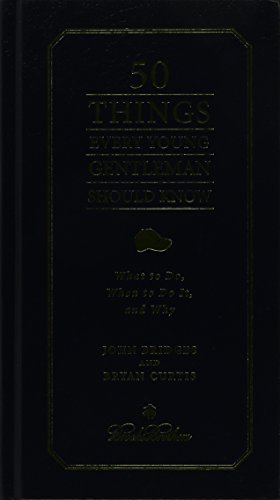
David Gaughran
The essential self-publishing guide — from formatting to Amazon ads to building a sustainable business.
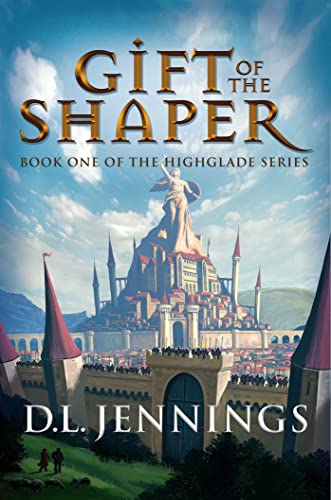
Michael Hyatt
The definitive guide to building an author platform that attracts readers and sells books.
David Gaughran
Turn casual browsers into loyal fans with a proven reader acquisition and retention system.
Get the free KDP ACOS Calculator
A Google Sheet that calculates your break-even ACOS, true profit per sale, and optimal bid ceiling for any book — plus weekly KDP ads tips delivered every Monday.
No spam. Unsubscribe anytime.
More Resources for KDP Authors
Part of the Taciturn Studios publishing network.
CoverCrushing
covercrushing.com
Book cover inspiration and design analysis for authors who know that covers sell books.
MyAuthorVoice
myauthorvoice.com
Writing craft, author branding, and publishing guides for KDP authors.

GuideTopics
guidetopics.com
In-depth how-to guides on Amazon Ads, KDP publishing workflows, and self-publishing tools.
We use cookies and similar technologies to improve your experience, analyze site traffic, and serve relevant ads. By clicking Accept, you consent to our use of cookies as described in our Privacy Policy. You can decline non-essential cookies — the site will still work, but personalized ads won't be shown.