Why Your Amazon Book Ads Aren't Converting — And the 7-Step Fix That Actually Works in 2026
Amazon book ads not converting is a common frustration for KDP authors, often stemming from a mismatch between ad targeting, ad copy, book quality, and market
Why Your Amazon Book Ads Aren't Converting — And the 7-Step Fix That Actually Works in 2026
Amazon book ads not converting is a common frustration for KDP authors, often stemming from a mismatch between ad targeting, ad copy, book quality, and market demand. This article provides a comprehensive, 7-step fix to diagnose and resolve conversion issues, helping indie authors optimize their campaigns, reduce ACOS, and significantly increase book sales and royalties. Understanding these core principles is crucial for turning ad spend into profitable revenue.
Table of Contents
- The Hard Truth: Your Book Isn't Selling Because Your Ads Aren't Converting
- Step 1: Diagnose the Root Cause — Is It Your Ad, Your Book, or Your Market?
- Step 2: Optimize Your Book's Product Page — The Conversion Engine
- Step 3: Refine Your Ad Targeting — Reaching the Right Readers
- Step 4: Craft Irresistible Ad Copy and Creatives
- Step 5: Master Your Bidding Strategy for Profitability
- Step 6: Leverage Data for Continuous Optimization
- Step 7: Automate for Scale and Sanity
The Hard Truth: Your Book Isn't Selling Because Your Ads Aren't Converting
As KDP authors, we pour our hearts into our stories, spend countless hours writing and editing, and invest in professional covers and formatting. Then, we launch our books, often with the expectation that Amazon Ads will be the magic bullet to sales. But what happens when you're spending money, getting clicks, but seeing no sales? Your Amazon book ads aren't converting, and that's a problem that can quickly drain your marketing budget and morale.
Many indie authors fall into the trap of thinking more ad spend equals more sales. While increased visibility is a component of success, it's useless if the visibility doesn't translate into purchases. A high Click-Through Rate (CTR) with a low Conversion Rate (CR) indicates a fundamental disconnect. You're attracting attention, but not the right attention, or your book isn't compelling enough once readers land on its product page. This scenario is a common pitfall, leading to a high Advertising Cost of Sales (ACOS) and diminishing returns. It's not just about getting eyeballs; it's about getting the right eyeballs to take action.
The good news is that this problem is fixable. It requires a systematic approach, moving beyond just tweaking bids. We need to look at the entire sales funnel, from the initial ad impression to the final purchase. This 7-step fix will guide you through diagnosing the specific issues plagacing your campaigns and implementing practical, data-driven solutions. By addressing each potential weak point, you can transform your underperforming ads into powerful sales drivers, ensuring every dollar you spend brings you closer to your publishing goals.
Step 1: Diagnose the Root Cause — Is It Your Ad, Your Book, or Your Market?
Before you start frantically adjusting bids or pausing campaigns, you need to understand why your Amazon book ads aren't converting. This diagnostic phase is crucial because the fix for a poorly targeted ad is very different from the fix for a book with a weak cover. Think of it like a doctor diagnosing a patient – you wouldn't prescribe medication without understanding the illness first.
1.1 Analyze Your Ad Metrics (CTR, ACOS, Sales)
Your Amazon Ads dashboard provides a wealth of data. Start by looking at the key performance indicators (KPIs) for your campaigns.
- Click-Through Rate (CTR): This tells you how many people are clicking on your ad after seeing it. A low CTR (e.g., below 0.2% for Sponsored Products, 0.4% for Sponsored Brands) suggests your ad creative (cover, headline, description snippet) or targeting isn't appealing to the audience it's reaching. A high CTR (e.g., above 0.5% for Sponsored Products, 0.8% for Sponsored Brands) indicates your ad is attracting attention, which is good, but if sales are still low, the problem lies further down the funnel.
- Advertising Cost of Sales (ACOS): This is the percentage of your sales that you spend on advertising. A high ACOS (e.g., consistently above 50-70% for a new book, or above your target profit margin for an established book) means you're spending too much for the sales you're generating. This can be due to low conversion rates, high bids, or both.
- Sales: The ultimate metric. Are you getting any sales from your ad spend? If not, or if sales are minimal, then your ads are definitely not converting effectively.
- Conversion Rate (CR): While Amazon doesn't explicitly show CR for individual ads, you can calculate it by dividing the number of sales by the number of clicks. A good conversion rate for books can vary widely but generally aim for 5-15%. If your CR is consistently below 5%, you have a conversion problem.
By examining these metrics together, you can start to pinpoint where the funnel is breaking. High CTR + Low Sales = Product Page/Book issue. Low CTR + Low Sales = Ad Targeting/Creative issue. High ACOS + Low Sales = Bidding/Overall Strategy issue.
1.2 Evaluate Your Book's Product Page Conversion Factors
Once a reader clicks your ad, they land on your book's product page. This page is your ultimate sales pitch. If it doesn't convert, no amount of ad spend will help.
- Cover: Is your cover professional, genre-appropriate, and eye-catching? Does it stand out in a thumbnail? A poor cover is often the single biggest reason for low conversions. Readers judge a book by its cover, especially on Amazon.
- Blurb: Does your blurb hook the reader immediately? Does it clearly convey the genre, stakes, and promise of your story? Is it free of typos and grammatical errors? An engaging blurb is essential for turning interest into desire.
- Reviews: Are your reviews positive and plentiful? A lack of reviews, or a preponderance of negative ones, can be a major deterrent. Aim for at least 15-20 reviews with an average rating of 4.0 stars or higher to build trust.
- Look Inside: Does your "Look Inside" feature showcase your best writing and professional formatting? This is often the final hurdle for a reader before purchasing. Ensure the first few pages are polished and compelling.
- Price: Is your book priced competitively within its genre? Overpricing can deter sales, while underpricing might devalue your work. Test different price points to find the sweet spot.
1.3 Understand Your Target Market and Genre Expectations
Are you advertising your book to the right people? And does your book meet their expectations?
- Genre Fit: Does your book truly fit the genre you're advertising it in? For example, advertising a cozy mystery to readers of hard-boiled thrillers will result in clicks but no conversions. Readers have strong genre expectations.
- Audience Demographics/Psychographics: Who is your ideal reader? What other books do they read? What are their interests? Your ad targeting should align perfectly with this profile. If your ads are showing up for irrelevant searches or on pages of unrelated books, you're wasting money.
- Market Demand: Is there a demand for your specific subgenre or trope? While you can create demand, it's often easier to tap into existing reader appetites. Research trending genres and tropes using tools like Publisher Rocket.
📚 Recommended Resource: "Let's Get Digital" by David Gaughran This book is a foundational guide for indie authors, covering everything from publishing basics to marketing strategies, helping you understand the digital landscape and how to make your books stand out. 🛒 Buy on Amazon | 📖 Buy on Bookshop.org
Step 2: Optimize Your Book's Product Page — The Conversion Engine
Your Amazon product page is the ultimate destination for every ad click. If this page isn't optimized to convert, all your ad spend is wasted. Think of it as your storefront – it needs to be inviting, informative, and persuasive.
2.1 Craft a Magnetic Book Cover
Your book cover is your most powerful marketing tool. It's the first thing readers see, and it communicates genre, tone, and professionalism in an instant.
- Genre Appropriateness: Does your cover immediately signal your genre? A fantasy cover should look like fantasy, a romance cover like romance, etc. Use common tropes and visual cues that readers in your genre expect.
- Professionalism: Invest in a high-quality, professionally designed cover. A DIY cover, unless you're a professional designer, often looks amateurish and erodes trust.
- Thumbnail Impact: Your cover will often be seen as a small thumbnail on Amazon. Does it still look good and legible at a small size? Is the title clear? Are the main elements easily discernible? Test it by shrinking it down on your screen.
- Emotional Resonance: Does your cover evoke the core emotion or promise of your book? For example, a thriller cover should feel tense, a romance cover should feel passionate or intriguing.
2.2 Write an Irresistible Blurb
The blurb is your sales copy. Its job is to hook the reader, introduce the core conflict, and leave them wanting more, all within a few paragraphs.
- Hook First: Start with a compelling sentence or two that immediately grabs attention and establishes the genre.
- Introduce Character & Conflict: Briefly introduce your protagonist and the central problem or quest they face. What are the stakes?
- Build Intrigue: Don't give away the entire plot. Instead, hint at the journey, the challenges, and the emotional core of the story. Use evocative language.
- Call to Action (Implied): End with a question or a powerful statement that encourages the reader to buy the book to find out what happens next.
- Formatting: Use short paragraphs, bold text for emphasis, and bullet points if appropriate for non-fiction. Make it easy to skim.
- Keywords: Naturally weave in relevant keywords that readers might search for, but don't keyword stuff.
2.3 Cultivate Social Proof with Reviews
Reviews are critical for building trust and credibility. They act as social proof, assuring potential buyers that others have enjoyed your book.
- Quantity and Quality: Aim for at least 15-20 reviews, with an average rating of 4.0 stars or higher. Fewer than 10 reviews can make a book look unproven.
- Early Review Strategy: Before launching ads, focus on getting initial reviews through an ARC (Advance Reader Copy) team, beta readers, or by asking friends and family (who haven't purchased the book on Amazon) to leave honest reviews.
- Review Snippets: Pay attention to the snippets Amazon often pulls from reviews. Are they positive and compelling?
- Engage with Reviews: Respond to both positive and negative reviews professionally. This shows you care about your readers.
2.4 Optimize Keywords and Categories
Beyond your ad campaigns, the keywords and categories you choose for your book on KDP directly impact its discoverability and conversion.
- Backend Keywords: Utilize all seven backend keyword slots on KDP. Use a mix of broad and specific terms, long-tail keywords, and competitor names (if relevant). Think like a reader: what would they type into the search bar?
- Category Selection: Choose the most specific and relevant categories for your book. Drilling down into sub-sub-genres can help your book rank higher in smaller, more targeted lists, increasing visibility to the right audience.
- Keyword Research: Use tools like Publisher Rocket or even Amazon's search bar (looking at auto-suggested terms) to find high-volume, relevant keywords.
- Competitive Analysis: Look at the keywords and categories successful books in your genre are using. This can provide valuable insights.
Step 3: Refine Your Ad Targeting — Reaching the Right Readers
The most beautiful ad and the most compelling book won't convert if they're shown to the wrong audience. Effective targeting is about putting your book in front of readers who are genuinely interested in what you offer.
3.1 Keyword Targeting: Precision Over Volume
Keyword targeting is the backbone of many successful Amazon Ads campaigns. It's about matching your book to what readers are actively searching for.
- Long-Tail Keywords: Focus on specific, multi-word phrases (e.g., "epic fantasy adventure with dragons" instead of just "fantasy"). These have lower search volume but much higher intent, leading to better conversion rates.
- Negative Keywords: Crucial for preventing wasted spend. Continuously monitor your search term reports and add irrelevant terms as negative keywords (e.g., if you write adult fantasy, add "young adult" or "kids" as negative keywords). This ensures your ads don't show up for searches that won't convert.
- Match Types: Understand the difference between Broad, Phrase, and Exact match types. Start with Broad to discover new keywords, then refine to Phrase and Exact for higher-performing terms.
- Broad Match: Catches a wide net, including misspellings, synonyms, and related searches. Good for discovery, but can be wasteful.
- Phrase Match: More restrictive, includes the exact phrase and close variations.
- Exact Match: Only shows your ad for the precise keyword. Highest control, lowest reach.
- Competitor Keywords: Target the names of bestselling authors and books in your niche. Readers who enjoy those books are likely to enjoy yours.
3.2 Product Targeting: Leveraging Amazon's Ecosystem
Product targeting allows you to place your ads directly on the product pages of other books, categories, or even specific ASINs (Amazon Standard Identification Numbers).
- ASIN Targeting: This is highly effective. Identify 50-100 bestselling books that are very similar to yours in genre, subgenre, and target audience. Place your ads directly on their product pages. These readers are already in buying mode for books like yours.
- Category Targeting: Target specific subcategories (e.g., "Fantasy > Epic Fantasy > Dragon Fantasy") to reach readers browsing within that niche. This is broader than ASIN targeting but still very relevant.
- Genre Targeting: Target broader genres if you have a wide appeal, but be aware that this can lead to lower conversion rates if not combined with strong ad copy.
- Negative Product Targeting: Just like negative keywords, you can exclude specific ASINs or categories where your ads are performing poorly or are irrelevant.
3.3 Audience Targeting (Sponsored Brands & Lockscreen Ads)
While Sponsored Products are keyword and product-focused, Sponsored Brands and Lockscreen Ads offer more audience-based targeting options.
- Interests: Target readers based on their shopping interests (e.g., "Science Fiction & Fantasy," "Romance"). This can be effective for broader reach.
- Audiences (Lifestyle, In-market): Amazon has pre-built audience segments based on shopping behavior. Experiment with these if they align with your ideal reader.
- Custom Audiences (for larger publishers): If you have significant data, you can create custom audiences, but this is less common for individual KDP authors.
- Demographics: While not as precise as other methods, you can sometimes refine targeting by age or gender if your genre has a strong demographic skew.
📚 Recommended Resource: "Your First 10,000 Readers" by Nick Stephenson This book provides actionable strategies for building an author platform and connecting with readers, which is essential for understanding who to target with your ads. 🛒 Buy on Amazon | 📖 Buy on Bookshop.org
Step 4: Craft Irresistible Ad Copy and Creatives
Even with perfect targeting, your ads won't convert if they don't grab attention and compel a click. Your ad copy and creative elements (like your book cover thumbnail) are your first impression.
4.1 Design Eye-Catching Ad Creatives
Your book cover is the primary creative for most Amazon ads. However, for Sponsored Brands and Lockscreen Ads, you have more options.
- Book Cover: Reiterate the importance of a professional, genre-appropriate cover that stands out as a thumbnail. This is your #1 ad creative.
- Headline (Sponsored Brands): Craft a compelling headline that highlights your book's unique selling proposition (USP) or genre. Use strong verbs and emotional language. Example: "Unravel a Dark Mystery in Victorian London" or "Epic Fantasy Saga Begins."
- Custom Image (Sponsored Brands): If allowed, use a custom image that complements your cover and enhances your brand. This could be a character art, a scene from your book, or a striking graphic. Ensure it's high-quality and relevant.
- Video Ads (Sponsored Brands Video): If you have the resources, a short, engaging video trailer can be incredibly effective. It brings your story to life and captures attention in a way static images can't.
4.2 Write Compelling Ad Copy
The text accompanying your ad needs to persuade readers to click. This is especially true for Sponsored Brands and Product Display Ads, where you have more room for text.
- Focus on Benefits, Not Features: Instead of saying "This book has 300 pages," say "Lose yourself in a gripping 300-page adventure." Highlight what the reader will experience.
- Use Strong Hooks: Start with a question, a bold statement, or a promise that resonates with your target audience.
- Highlight Genre Tropes: If you write romance, mention "enemies-to-lovers" or "second chance." For fantasy, "magic system," "epic quest," or "dragon riders."
- Create Urgency/Curiosity: "Discover the secret..." "Can she escape her past...?"
- A/B Test: Experiment with different headlines and ad copy variations to see what performs best. Small tweaks can lead to significant improvements in CTR.
4.3 Leverage Review Snippets and Awards
If your book has strong reviews or has won awards, feature them prominently in your ad copy or creatives where possible.
- "Bestselling Author" or "Award-Winning": If applicable, include these prestigious labels in your ad headline or description.
- Review Quotes: For Sponsored Brands, you can sometimes include short, impactful review quotes that highlight the book's strengths. Example: "A thrilling ride!" - 5-star reviewer.
- Star Ratings: While Amazon automatically displays star ratings for Sponsored Product ads, ensure your overall rating is high enough to be an asset.
Step 5: Master Your Bidding Strategy for Profitability
Bidding is where many KDP authors either overspend or underspend, leading to poor conversion rates or missed opportunities. A strategic bidding approach is essential for maintaining a healthy ACOS and maximizing profitability.
5.1 Understand Amazon's Bidding Options
Amazon offers several bidding strategies, and choosing the right one for your campaign goals is crucial.
- Dynamic Bids - Down Only: Amazon will lower your bids in real-time for clicks that are less likely to convert. This is often the safest starting point for new campaigns as it helps prevent overspending.
- Dynamic Bids - Up and Down: Amazon will raise your bids by up to 100% for clicks that are highly likely to convert and lower them for clicks less likely to convert. This can increase sales but also carries higher risk if not managed carefully. Use this for proven keywords and ASINs.
- Fixed Bids: Amazon uses your exact bid for every opportunity. This offers the most control but requires constant monitoring and manual adjustment to remain competitive and profitable. Generally not recommended for most KDP authors unless you have a very specific strategy.
- Bid Adjustments by Placement: You can set higher bids for specific placements (e.g., "top of search results" or "product pages"). This can be effective for high-performing keywords where you want maximum visibility.
5.2 Implement a Data-Driven Bid Adjustment Strategy
Don't guess your bids. Let your data guide you.
- Start Low, Go Slow: For new campaigns or keywords, start with a conservative bid (e.g., $0.30 - $0.50) and gradually increase it until you start seeing impressions and clicks.
- Monitor Search Term Reports: Regularly (weekly) review your search term reports.
- High Impressions, Low Clicks: Your bid might be too low, or your ad creative isn't appealing.
- High Clicks, Low Sales: Your bid might be too high for the conversion rate, or your product page isn't converting.
- Profitable Keywords: Increase bids slightly on keywords that are generating sales at a good ACOS.
- Unprofitable Keywords: Lower bids significantly or pause keywords that are eating into your budget without sales.
- Target ACOS: Determine your target ACOS (e.g., 30-40% for profit, 50-70% for visibility/ranking). Adjust bids up or down to try and hit that target. For example, if a keyword has an ACOS of 100%, you're spending $1 for every $1 in sales. You need to lower that bid.
- Seasonal Adjustments: Be aware of seasonal trends (e.g., holidays, summer reading). Bids might need to be higher during peak seasons and lower during slower periods.
5.3 Case Study: Thriller Author — Before/After
Case Study: Thriller Author — Before/After
Author: Sarah M., a thriller author with three books in a series. Problem: Sarah was running Sponsored Product keyword campaigns for her latest release. She was getting hundreds of clicks daily but very few sales, leading to an ACOS consistently above 150%. She was using "Dynamic Bids - Up and Down" with high initial bids.
Before:
- Campaign Type: Sponsored Products (Auto and Manual Keyword)
- Bidding Strategy: Dynamic Bids - Up and Down
- Average Bid: $1.20 - $1.80
- Daily Clicks: 150-200
- Daily Sales: 0-1
- ACOS: 150%+ (often higher)
- Diagnosis: High clicks, low sales pointed to a product page issue or mis-targeted clicks. The high bids exacerbated the problem.
The Fix:
- Product Page Audit: Sarah hired a professional editor for her blurb and a cover designer for a minor tweak to make it more genre-specific. She also focused on getting more reviews.
- Bidding Strategy Change: Switched all campaigns to "Dynamic Bids - Down Only."
- Bid Reduction: Reduced initial bids across the board to $0.40 - $0.60.
- Negative Keyword Harvest: Aggressively added irrelevant search terms (e.g., "free thrillers," "young adult mystery") from her search term reports as negative exact keywords.
- ASIN Targeting: Created new Sponsored Product campaigns targeting the top 50 bestselling thrillers very similar to hers.
After (3 weeks later):
- Campaign Type: Sponsored Products (Manual Keyword, ASIN Targeting)
- Bidding Strategy: Dynamic Bids - Down Only
- Average Bid: $0.55 - $0.80 (adjusted based on performance)
- Daily Clicks: 70-100 (fewer, but higher quality)
- Daily Sales: 5-8
- ACOS: 35-45%
- Result: Sarah significantly reduced her ad spend while increasing her daily sales, achieving a profitable ACOS. The combination of an optimized product page and precise, controlled targeting and bidding was key.
Step 6: Leverage Data for Continuous Optimization
Amazon Ads isn't a "set it and forget it" system. It requires ongoing monitoring, analysis, and adjustment. Data is your most powerful tool for improving conversion rates and reducing ACOS.
6.1 Regular Search Term Report Analysis
This is arguably the most important report for KDP authors running keyword campaigns.
- Identify Negative Keywords: Weekly, download your search term reports. Look for terms that generated clicks but no sales, or terms that are clearly irrelevant to your book. Add these as negative exact keywords to prevent future wasted spend.
- Discover New Keywords: Also look for search terms that did lead to sales at a good ACOS. These are potential new keywords to add to your manual campaigns, often with higher bids.
- Refine Match Types: If a broad match keyword is performing well with a specific search term, consider adding that search term as an exact match keyword in a separate campaign for more control.
6.2 A/B Test Everything
Don't assume anything. Test, measure, and iterate.
- Ad Copy/Headlines: Run two identical campaigns or ad groups with different headlines or ad copy. See which one generates a higher CTR and better conversion.
- Book Covers: If you're considering a cover refresh, you can test two different covers by running ads to each (though this is more complex and might require separate ASINs or careful tracking).
- Blurbs: While not directly A/B tested through ads, you can monitor the conversion rate of your product page (sales/clicks) after making blurb changes.
- Pricing: Test different price points (e.g., $2.99 vs. $3.99) and observe the impact on sales volume and revenue.
6.3 Monitor Key Metrics Over Time
Look for trends, not just daily fluctuations.
- ACOS Trend: Is your ACOS improving, worsening, or staying stable? If it's consistently rising, it's a red flag.
- Conversion Rate Trend: Are your clicks converting into sales more or less frequently?
- Impressions & Clicks: Are you maintaining visibility? If impressions drop significantly, your bids might be too low or your targeting too narrow.
- Sales Velocity: Are your daily sales increasing? This is crucial for Amazon's algorithms and organic ranking.
6.4 External Authority Link: Amazon Ads Help
Further reading: The Amazon Ads Help Center provides comprehensive guides and best practices directly from Amazon, which can be invaluable for understanding campaign settings and reporting.
Step 7: Automate for Scale and Sanity
Managing Amazon Ads manually can be a full-time job, especially as you scale. This is where automation platforms like BookAds AI become indispensable for KDP authors.
7.1 The Limitations of Manual Ad Management
Without automation, you're constantly fighting an uphill battle:
- Time-Consuming: Manually checking search term reports, adjusting bids, and creating new campaigns for every book can take hours each week, pulling you away from writing.
- Reactive, Not Proactive: Manual management often means you react to problems (like a skyrocketing ACOS) after they've already occurred, rather than preventing them.
- Missed Opportunities: You might miss profitable keywords or bid adjustments because you can't monitor everything 24/7.
- Emotional Decisions: It's easy to get frustrated and make impulsive decisions (e.g., pausing a campaign too soon) when managing ads manually.
- Complexity: As your catalog grows, the complexity of managing dozens or hundreds of campaigns becomes overwhelming.
7.2 How AI Automation Solves Conversion Problems
AI-powered platforms like BookAds AI are specifically designed to address the challenges of Amazon Ads for KDP authors.
- Automated Bid Optimization: AI algorithms can analyze vast amounts of data in real-time, adjusting bids up or down every hour, not just daily or weekly. This ensures you're always bidding optimally for maximum sales at your target ACOS. This is critical for improving conversion rates as it ensures you're paying the right price for each click.
- Intelligent Keyword Harvesting: AI can automatically identify profitable search terms from your reports and add them as new keywords to targeted campaigns, while simultaneously adding negative keywords to stop wasted spend. This continuously refines your targeting, leading to higher-quality clicks and better conversions.
- ACOS Management: AI platforms can be set with a target ACOS, and they will work to keep your campaigns within that profitable range, preventing overspending and ensuring your ads are converting effectively.
- Campaign Creation & Management: AI can help streamline the creation of new campaigns, applying best practices and ensuring consistency across your ad portfolio.
- Data-Driven Insights: AI can provide clearer, actionable insights than raw Amazon reports, highlighting what's working and what's not, allowing you to make strategic decisions quickly.
7.3 Checklist: When to Consider Automation
✅ You're spending more than 5-10 hours per week managing your Amazon Ads. ✅ Your ACOS is consistently higher than your target profit margin. ✅ You're struggling to identify profitable keywords and negative keywords efficiently. ✅ You have multiple books or series and find it hard to manage all campaigns. ✅ You want to scale your ad spend without increasing your workload. ✅ You're tired of manual bid adjustments and want a more proactive approach. ✅ You want to focus more on writing and less on ad management.
📚 Recommended Resource: "Write. Publish. Repeat." by Sean Platt & Johnny B. Truant This book emphasizes the importance of a consistent publishing schedule and building a backlist, both of which are crucial for making Amazon Ads profitable in the long run. 🛒 Buy on Amazon | 📖 Buy on Bookshop.org
Frequently Asked Questions
Q: What is a good ACOS for KDP authors? A: A "good" ACOS varies by your goals. For a new book focused on visibility and ranking, an ACOS of 50-70% might be acceptable temporarily. For established books aiming for profit, target an ACOS of 20-40%, depending on your royalty margin. Many authors aim for 30% or less for sustainable profit.
Q: How often should I check my Amazon Ads? A: For manual campaigns, you should check your ads at least 2-3 times a week, and ideally daily for the first week of a new campaign. Pay close attention to search term reports weekly. With automation platforms like BookAds AI, daily manual checks become less critical as the AI handles real-time adjustments.
Q: My CTR is high, but sales are low. What's wrong? A: A high CTR indicates your ad is appealing and well-targeted, but low sales point to a problem with your book's product page. Focus on optimizing your cover, blurb, reviews, and "Look Inside" sample. Your ad is doing its job, but your book isn't closing the sale.
Q: Should I use automatic or manual campaigns? A: Both. Start with an automatic campaign to discover new keywords and ASINs. Once you identify high-performing search terms and products from its search term report, move them into targeted manual campaigns for better control and bid optimization. Auto campaigns are for discovery, manual campaigns are for scaling.
Q: How many reviews do I need before running ads? A: While you can run ads with zero reviews, it's generally recommended to have at least 10-15 positive reviews (4.0 stars or higher) before investing heavily in ads. Reviews build trust and significantly improve your conversion rate.
Q: What's the best way to find negative keywords? A: Regularly download your "Search Term Report" from your Amazon Ads dashboard. Look for terms that generated impressions and clicks but no sales, or terms that are clearly irrelevant to your book's content. Add these as negative exact keywords to your campaigns.
Q: Can I run Amazon Ads for a free book? A: Yes, you can run ads for free books (e.g., during a KDP Select free promotion). The goal here isn't direct sales but rather downloads, which can lead to read-through for series, reviews, and increased visibility in Amazon's ranking algorithm. Your ACOS will be 0% as there are no sales, but you'll be paying for downloads.
Q: My ad spend is high, but my book isn't ranking. Why? A: Ranking on Amazon is influenced by sales velocity, reviews, and keywords. If your ads aren't converting into enough organic sales, or if your book isn't optimized for relevant keywords, increased ad spend alone won't guarantee a higher rank. Focus on improving conversion and ensuring your book's backend keywords are strong.
Conclusion
Seeing your Amazon book ads not converting can be disheartening, but it's a solvable problem for KDP authors. By systematically diagnosing the issues, optimizing your book's product page, refining your targeting, crafting compelling ad creatives, mastering your bidding strategy, and leveraging data for continuous improvement, you can transform your ad performance. The journey from wasted ad spend to profitable sales is one of iterative refinement and strategic thinking.
Remember, every click is a potential reader, and every ad impression is an opportunity. Don't let your hard work go unnoticed or unpurchased. Implement these 7 steps, be patient, and watch your conversion rates climb. For those looking to reclaim their time and ensure their ad campaigns are always performing at peak efficiency, embracing automation is the ultimate step.
Ready to stop manually adjusting bids and guessing which keywords work? Try BookAds AI free for 14 days — no credit card required. Our AI handles bid optimization, keyword harvesting, and ACOS management so you can focus on writing your next book.
Related Articles
- How to Reduce Your Amazon Ads ACOS: A KDP Author's Guide to Profitability
- The Ultimate Guide to Amazon KDP Keywords for Indie Authors
- Mastering Amazon Book Descriptions: A KDP Author's Blurb Blueprint
This article contains Amazon and Bookshop.org affiliate links. If you purchase through them, BookAds AI earns a small commission at no extra cost to you. Bookshop.org links also support independent bookstores.
Tools KDP Authors Love
As an Amazon Associate and Bookshop.org affiliate, BookAds AI earns from qualifying purchases.
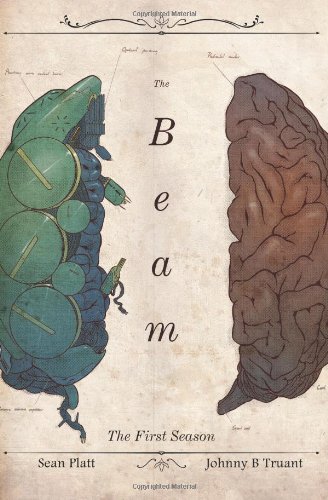
Sean Platt & Johnny B. Truant
Build a sustainable indie publishing business with this comprehensive guide to prolific writing and smart marketing.

David Gaughran
The essential self-publishing guide — from formatting to Amazon ads to building a sustainable business.

Nick Stephenson
The step-by-step system for growing your reader base with reader magnets and email marketing.
Get the free KDP ACOS Calculator
A Google Sheet that calculates your break-even ACOS, true profit per sale, and optimal bid ceiling for any book — plus weekly KDP ads tips delivered every Monday.
No spam. Unsubscribe anytime.
More Resources for KDP Authors
Part of the Taciturn Studios publishing network.
CoverCrushing
covercrushing.com
Book cover inspiration and design analysis for authors who know that covers sell books.
MyAuthorVoice
myauthorvoice.com
Writing craft, author branding, and publishing guides for KDP authors.

GuideTopics
guidetopics.com
In-depth how-to guides on Amazon Ads, KDP publishing workflows, and self-publishing tools.



We use cookies and similar technologies to improve your experience, analyze site traffic, and serve relevant ads. By clicking Accept, you consent to our use of cookies as described in our Privacy Policy. You can decline non-essential cookies — the site will still work, but personalized ads won't be shown.